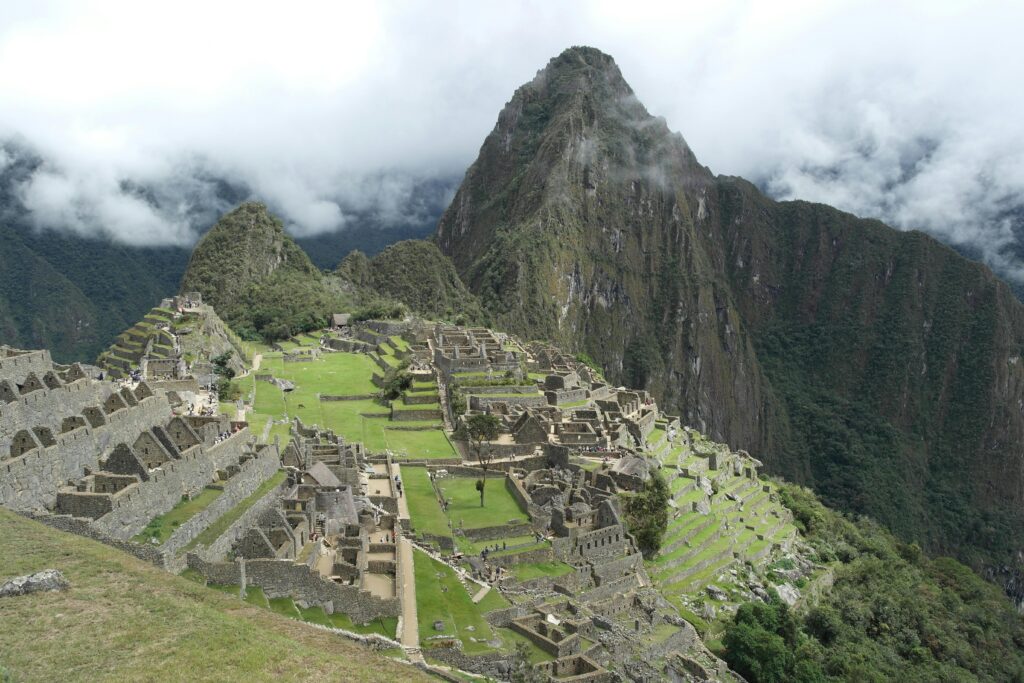





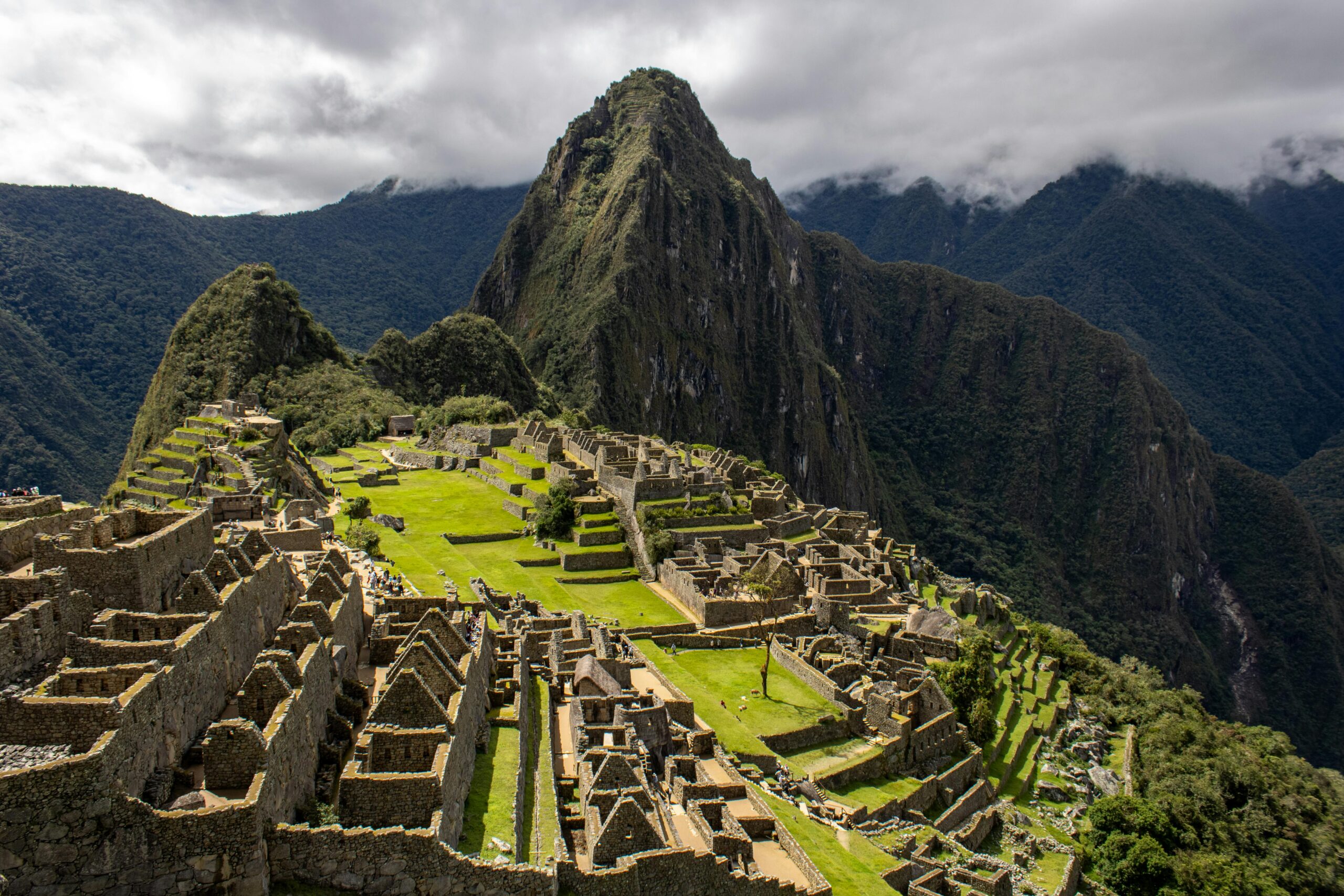
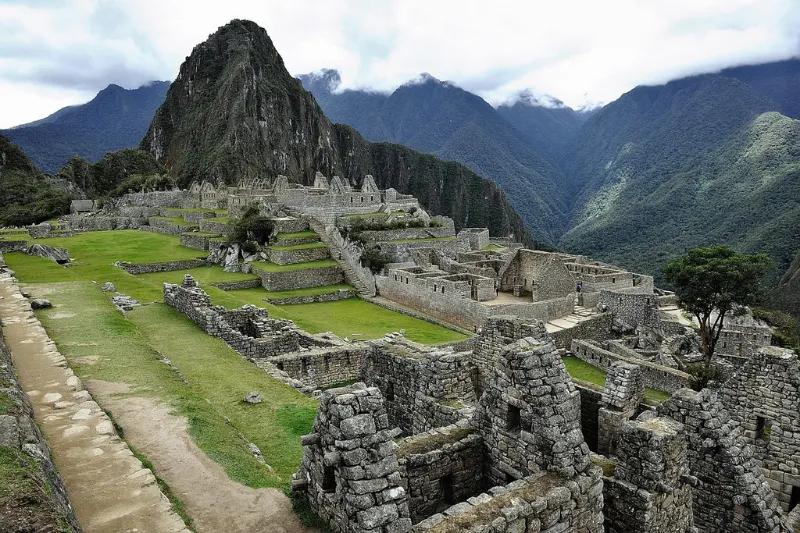
There are zero roads going into Machu Picchu. People show up thinking they can grab a taxi or rent a car and drive there. That option flat out does not exist. Machu Picchu train tickets are the only way anyone gets to that mountain.
Aguas Calientes is the town sitting at the base, and it has no road connection to anything. Rail is the one lifeline in and out. Train tickets to Machu Picchu disappear fast during busy months, sometimes weeks or months before travel dates. People who leave this for last minute in Cusco show up to nothing available.
The route runs from Cusco through Ollantaytambo down to the mountain base. Knowing those three points before opening a booking site saves a lot of confusion. Machu Picchu train tickets planned around that sequence rarely fall apart.
Summary
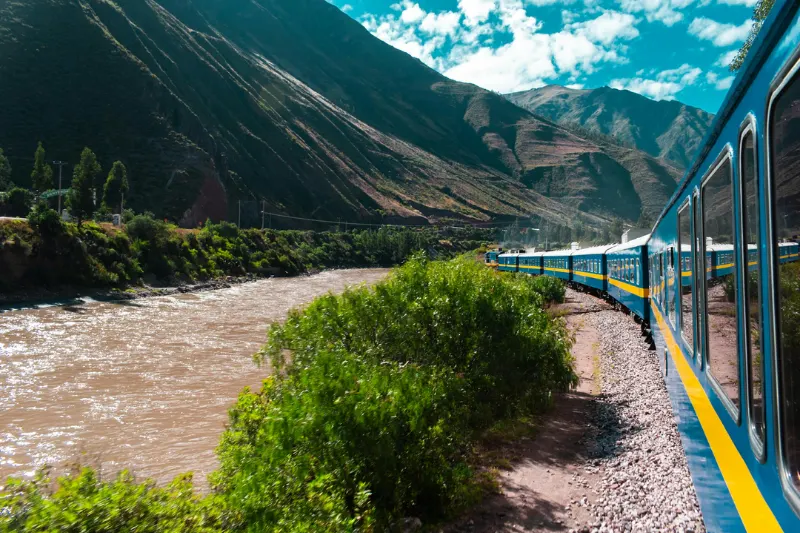
The train to Machu Picchu is not one option among several. It is the only option. Seats go fast and need booking right after the official site entry pass gets locked in. Ollantaytambo beats the Cusco stations on price, frequency, and travel time. PeruRail and Inca Rail both run the same tracks with different service styles. Wet season means a bus and train combo called bimodal. Luggage is capped hard at 5kg. Left side seats follow the river. The checklist at the end ties everything together.
Choosing Your Starting Point: Why the Ollantaytambo Station Often Beats Cusco
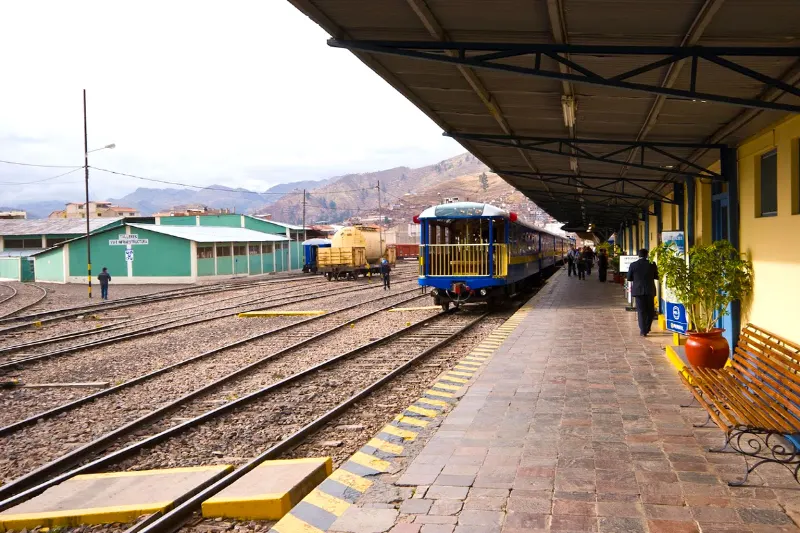
Three stations connect to the rail line heading south. The one a traveler picks changes the cost, the travel time, and how many departure options are actually available. Cusco Machu Picchu train tickets from the city center station look convenient until the four hour rail time and high fares show up on screen.
For anyone still wondering where is Machu Picchu exactly, the ruins sit high in the Andes above the Urubamba River gorge, reachable only by rail through this three-station network. Here is how the three stations actually compare:
- San Pedro, Central Cusco: Walking distance from most hotels, over four hours on the train, highest prices on the whole network
- Poroy, Near Cusco: Short taxi ride from the city, still runs past three hours to Aguas Calientes, fares barely drop
- Ollantaytambo, Sacred Valley: Two hours from Cusco by road, 90 minutes on the train, cheapest fares, most departures per day
Ollantaytambo wins for most people who run the comparison. Getting there from Cusco means jumping in a colectivo, a shared van that runs back and forth constantly for a few dollars. That road leg is easy and the payoff at the other end in time and money is real.
PeruRail vs. Inca Rail: Choosing the Right Operator for Your Budget
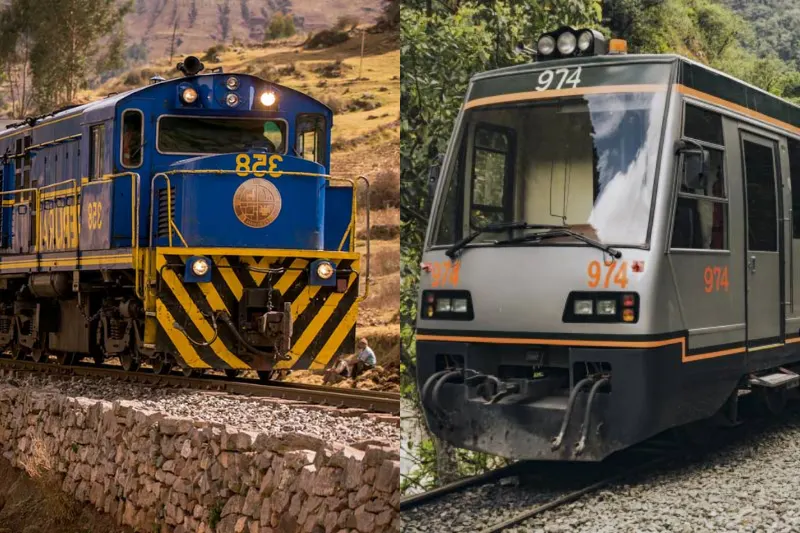
Both companies use the exact same tracks. Neither one is faster or safer than the other on paper. The difference comes down to how many trains run per day and what gets thrown into the ticket price.
PeruRail puts more trains on the tracks daily than anyone else running this route. That volume matters when a specific entry window at the ruins is already fixed and the train time needs to fit around it. More departures means more fallback if one slot sells out. Travelers combining rail with a tour to Machu Picchu should confirm with their operator which company is included before paying.
Inca Rail runs fewer trains and wraps the experience in more extras. Working out how to buy train tickets to Machu Picchu through their site often turns up drinks and music already folded into standard fares. Their station lounges are genuinely comfortable for anyone sitting on a long wait before boarding.
Checking both sites and picking whichever one hits the right departure time is the practical approach. If an agency is handling the booking, asking whether Machu Picchu train tickets come bundled with site entry is worth doing before paying anything.
From Expedition to Vistadome: Which Service Class Matches Your Style?
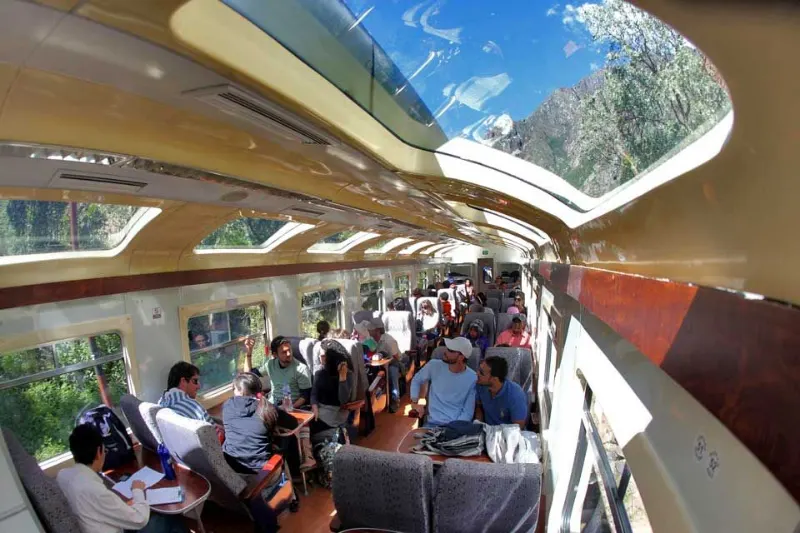
Service classes on the train to Machu Picchu work like airline cabins. The bottom tier gets travelers there without drama. Spending more changes what the ride actually feels like, especially once the mountains start appearing through roof glass.
Travelers who book a tour sacred valley and Machu Picchu package often find the train class already selected by the operator. Checking that detail before departure avoids surprises at the platform. Each level comes with different things included:
- Expedition and Voyager: Standard seats, regular side windows, snacks bought separately
- Vistadome and 360°: Glass panels in the roof, complimentary snacks and hot drinks, cultural performances onboard
- Hiram Bingham: Full 1920s dining car, gourmet meals, open bar carriage, live musicians running the whole trip
The jump from Expedition to Vistadome costs around twenty to thirty dollars. For a journey most people take once in their lives that gap is small. Roof panels frame the Andean peaks from above and make the ride itself something worth remembering rather than sleeping through.
Hiram Bingham is its own thing entirely. Pisco sours, white tablecloth meals, musicians playing through lunch. Built for a special occasion, not a standard day out.
Decoding the Bimodal Service: How to Navigate Combined Bus and Train Tickets
Rain makes the upper tracks near Cusco unsafe during certain months. When that happens operators swap the full rail option for a combination of road and rail instead. The bimodal service from Cusco to Machu Picchu puts travelers on a coach first, then transfers them onto the train at Ollantaytambo. One ticket, two vehicles, no separate connection to manage.
The day starts at Wanchaq station inside Cusco. Staff at Ollantaytambo walk passengers straight from the bus to the waiting train. Nothing independent to sort out at that transfer point. The handoff runs as part of the same booking.
Booking pages flag these with a bus icon or the word Bimodal somewhere visible. Prices on this route often undercut straight rail from the city stations. During wet months it also tends to run more reliably than the upper line options.
The Booking Timeline: How to Sync Train Times with Your Entrance Circuit
Buying Machu Picchu train tickets before sorting the official site entry pass causes real problems. The entry pass carries a fixed time slot that cannot move. Train times get picked to fit that slot. Going the other direction around creates a schedule that breaks at the gate.
Hikers finishing a tour Inca Trail arrive at the Sun Gate and descend directly into the ruins without needing the train on the final day. That exception aside, everyone else depends entirely on the rail connection from Aguas Calientes up to the entrance. Guards at the entry circuits enforce arrival windows with no flexibility.
A train landing at 10am does nothing for an 8am circuit slot. The entry closes and the time is gone regardless of what the ticket cost or what excuse gets offered. The shuttle bus from Aguas Calientes up the mountain runs 30 minutes. That plus any minor rail delay means the train should land at least 90 minutes before the circuit opening.
Avoiding the Luggage Trap: Understanding the 5kg Weight Limit
Rail operators cap luggage at 5kg per passenger. Eleven pounds. A rolling suitcase with three days of clothes blows past that easily. Arriving at the station with one means a forced repack on the platform or a denied boarding. Station staff hold that line without exceptions.
Two categories cover what works and what does not on this journey:
- Allowed on board: Small daypacks, basic overnight clothes, toiletries, camera equipment
- Not allowed on board: Rolling suitcases, large checked bags, heavy travel trunks of any size
Hotels in Cusco and Ollantaytambo store luggage for guests heading out. Most do it for free. Travelers finishing a tour Salkantay Trek and heading straight to the ruins afterward often leave main bags at a Cusco hotel before the trek starts, picking them up on the way back. Leaving the main bag behind and carrying a daypack solves the whole problem the night before travel.
Maximizing the Scenery: Why the Left Side of the Train Offers the Best Views
Left side seats on the train to Machu Picchu follow the Urubamba River the whole way down. The right side faces rock walls for most of the journey. That one seating choice makes a noticeable difference across 90 minutes of changing Andean landscape.
The view shifts gradually from dry highland scrub into thick cloud forest as the elevation drops. Orchids appear in the canopy, stone terraces cut into canyon walls flash past the window, and the air through the glass changes color as Amazon moisture builds. By the time Aguas Calientes appears around the last bend the landscape looks nothing like it did at departure.
Panoramic carriages push that experience further through roof glass, but even a standard left-side seat catches what makes this route genuinely worth watching.
Your 3-Step Action Plan to Secure the Perfect Train Seats
Sorting Machu Picchu train tickets from home before landing in Peru removes the biggest single risk in the whole trip. Peak season seats vanish months out. Waiting until Cusco means paying more for what is left or finding nothing workable at all.
Three steps cover the full sequence:
- Confirm entry pass first: Lock in the official Machu Picchu site entry and note the exact circuit time before opening any rail booking page
- Book Machu Picchu train tickets right after: Pick the operator and class arriving in Aguas Calientes at least 90 minutes before that fixed entry window
- Sort station logistics and documents: Map out how to reach the departure station from the hotel and pack the original physical passport since digital copies get turned away at boarding
Frequently Asked Questions
Do I really have to take a train to reach Machu Picchu, and when should I buy tickets?
Yes. No roads go there. The train to Machu Picchu and Aguas Calientes is the only option that exists. Seats sell out months ahead during peak travel periods. Buy rail tickets right after locking in the official site entry pass and match the departure time to that fixed entry slot or the gate stays shut on arrival.
Which departure station is best and how do I get there?
Ollantaytambo for most travelers. Shortest rail time at 90 minutes, most departures daily, lowest fares on Cusco Machu Picchu train tickets. San Pedro and Poroy add hours and cost without much benefit. Colectivos from Cusco to Ollantaytambo run all day, cost almost nothing, and rarely cause delays.
PeruRail vs. Inca Rail, how should I choose the operator and service class?
Pick whichever schedule fits the entry window already booked. PeruRail offers more daily departures and better flexibility when slots are tight. Inca Rail delivers a more polished ride with fewer trains. For class, Expedition and Voyager handle the basics fine. Vistadome and 360° add roof glass panels, snacks, and onboard performances for twenty to thirty dollars more. Hiram Bingham is full luxury dining and live music for a special occasion.
What is the bimodal service and how does it work?
Wet season sometimes closes the upper tracks near Cusco. Operators respond with a coach from Wanchaq station in Cusco to Ollantaytambo, then transfer passengers straight onto the train. One ticket covers the whole thing. Look for a bus icon or the word Bimodal on the booking page. Often cheaper than straight rail from the city and more reliable when rain is hitting the upper line.
How do I sync train times with my entrance circuit and what else needs sorting before the day?
Buy site entry first and build the rail booking around that fixed time slot. Train should arrive at least 90 minutes before the circuit opens to cover the shuttle bus and any delays. A few other things worth checking before the morning:
- Luggage: Hard 5kg limit per person, leave large bags in hotel storage in Cusco or Ollantaytambo
- Documents: Original physical passport only, digital copies turned away at boarding without discussion
- Views: Left side seats track the Urubamba River the whole way to Aguas Calientes