

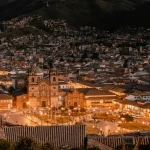
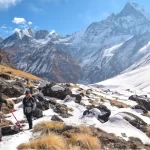
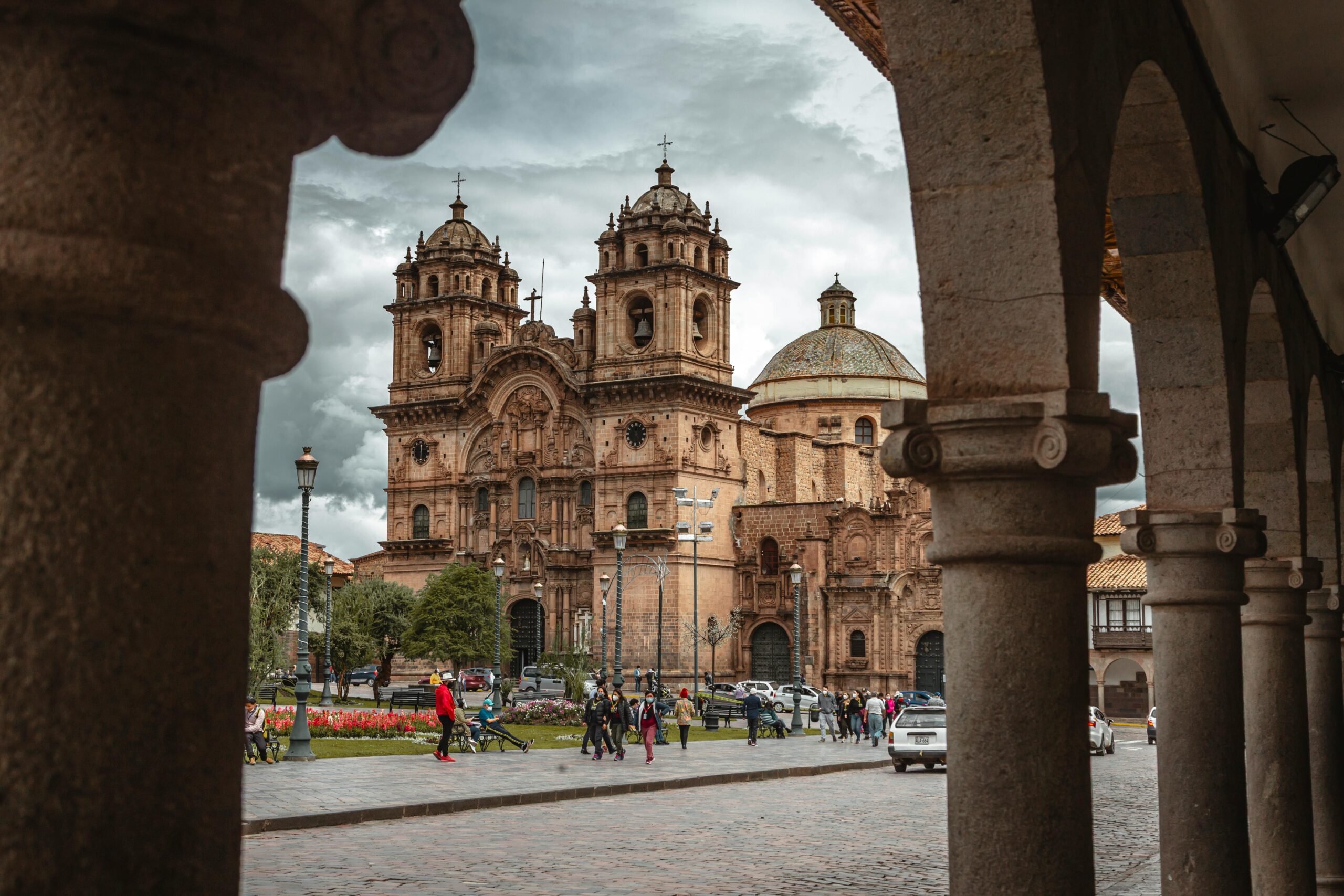
When you open the plane door, you not only see the Andes, but feel them. Getting into the icy Cusco altitude of 11,152 feet is almost the same as getting on the summit of eight Empire State Buildings on top of one another. Most travel experts concur that this gigantic corporeal change brings about an instant and unarguable transformation in the way your body functions with your very first inhalation.
And ever been thoroughly out of breath simply stepping your suitcase over a smooth hotel lobby? It seems like you have at this moment grown forty years older to manoeuvre the 3,400 meters above sea level in the imperial city (the Cusco elevation). There is still no shortage of oxygen in the mountain air, although the lower the atmosphere the pressure is, which then forces your lungs to work harder to seize what it requires to work normally.
This sudden environmental change makes your initial acclimatization window absolutely critical. Travel medicine experts state that the initial two hours after getting off the plane determine how comfortable you will feel during the whole vacation. Some tourists rightfully fear contracting some illnesses, yet with a simple set of arrival strategies to high altitude areas, such as taking a one-second rest and guzzling additional water, that travel jitters can be kept in check.
Summary
Cusco is located at 3,400 m (11,152 ft). Lower air pressure decreases the ease of breathing and may cause mild Acute Mountain Sickness (soroche). Safeguard the first 48 hours: sleep, hydrate, and lighten up on food. Consider a nap in the Sacred Valley, then return to Cusco. Be aware of warning symptoms such as severe headache, vomiting, and confusion that should trigger descent. Coca tea may be taken to relieve mildly, and acetazolamide has been proven successful in causing acclimatization. Arrange by altitude. Machu Picchu is less than Cusco, and Rainbow Mountain is the worst. Start working out progressively as far as stairs become comfortable.
The Science of Thin Air: Why Your Lungs Feel 40 Years Older
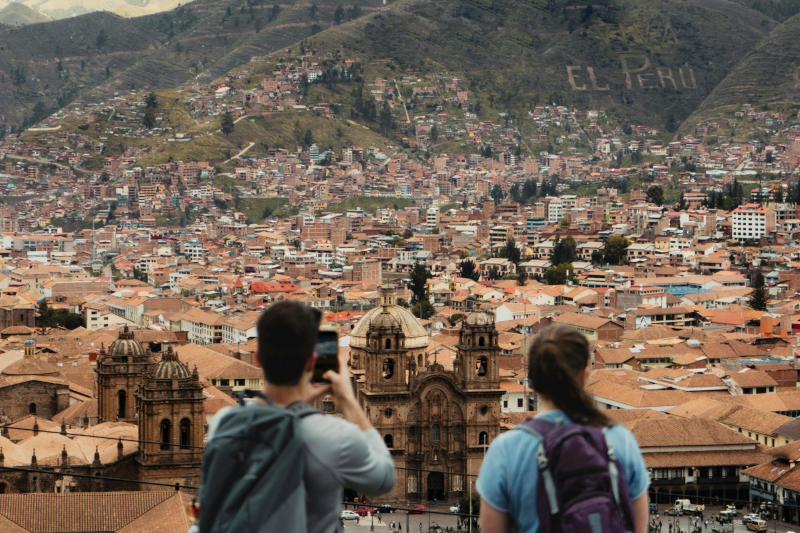
The altitude of the Andes forces one to respect it. At the official height of cusco in feet, many people who go there believe that the air merely has no oxygen and that is a myth. The Andean atmosphere still holds the usual 21% oxygen.
Atmospheric pressure actually changes. At the bottom of the ocean, high-pressure causes the oxygen molecules to be packed together and hence easy to pick by your lungs.Up in the Andes, that pressure drops. The air isn’t missing oxygen; it’s just less squished. Consequently, your heart rate naturally spikes to circulate what little oxygen you do capture. This sudden physiological workload explains why even elite marathon runners get winded carrying luggage to their rooms. Fitness simply cannot beat physics.
Pacing yourself is your best defense.Trying to breathe in the thin mountain air softly will soothe your heart racing, but you may still have a dull throb behind your eyes. But how do you know whether that pounding of the head is but the usual process of acclimatizing, or whether your organism is talking a grave red flag?
Identifying ‘Soroche’: Is Your Headache Normal or a Warning Sign?
The locals call it soroche but the doctors term it Acute Mountain Sickness (AMS). Be it in a cobblestone plaza or bed of your hotel, you will, most certainly, experience three of the most widespread symptoms of the andes soroche, which include: a constant headache, a small amount of nausea, and the broken sleeping habits. Imagine that this first step is a bloodless hangover without the liquor; your body is just overworking itself to get used to it.
Being aware of what is considered your threshold of concern is the basis of high altitude travel safety, and this quick comparison can help you to check your own body cues:
- Normal Adjustment: A dull headache that fades with hydration, slight loss of appetite, and waking up frequently at night.
- Dangerous AMS Symptoms: A splitting headache that ignores painkillers, persistent vomiting, intense dizziness, or confusion.
Brushing off those severe red flags is a risky gamble. If you start losing coordination or feeling breathless while sitting completely still, your body is begging for relief. At that point, preventing acute mountain sickness naturally requires the fastest, most effective remedy available: gravity. Descending even a few thousand feet makes a massive difference in recovery.
The Sacred Valley Pivot: Why Sleeping Lower Saves Your Trip
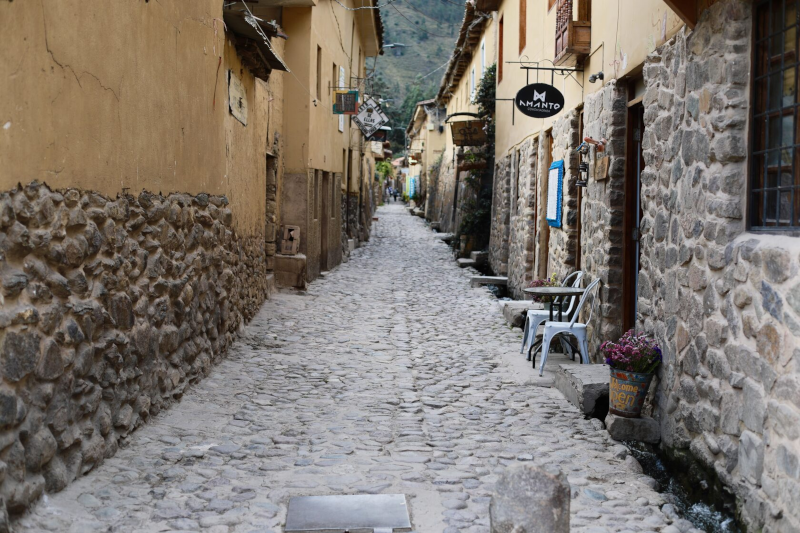
Clever tourists understand they do not need to stay the first night at 11,152 feet. They employ the Sacred Valley Pivot strategy instead. When you get out in a taxi direct out of the airport and drive down into such towns as Urubamba or Ollantaytambo, you immediately decrease in altitude. In handling altitude, Sacred Valley towns provide a key relief of 2,000 feet which seems like a huge relief to your lungs,– contemplate altitude Cusco and Sacred Valley comparisons when making your preliminary plans.
Your body actually recovers and adjusts mostly while you rest, making your sleeping elevation far more critical than where you spend your afternoon.This biological peculiarity is exploited in learning how to acclimate in the sacred valley. The first 48 hours of your trip can be spent wandering the ruins at 9,000 feet to ease your blood into steadily acculturation to the thinner air, but without the severe oxygen swings of the night that cause symptoms of mountain sickness.
This arrangement of your trip makes a safe step by step progressive build up schedule of both andean hikers and sightseeing amateurs. A few days later you can safely come back to elevated level Cusco, well ready for the challenges of the cobblestone city. Of course, even with a smart route, your body might still want a little extra help adjusting.
Coca Tea to Acetazolamide: Navigating Natural and Medical Relief
Even with a solid itinerary, you will likely encounter steaming leaves in your hotel lobby upon arrival. Locals swear by drinking coca tea for elevation relief, and for good reason. These ancient leaves contain natural alkaloids that act as mild stimulants, gently opening your airways and settling a nauseous stomach. Sip a cup early in the day for a helpful boost, but avoid it right before bed to protect your sleep.
Science is a bigger safety net when herbal brews do not suffice. The reason why acetazolamide should be taken on high altitude traveling is like a biological translator. This prescription drug does not just treat and hush your headaches but slowly changes the blood chemistry. It fools your brain to breathe more deeply and faster, and speeds up your process of chemical adaptation, which makes your body take up available oxygen much faster.
The choice of these two remedies is solely based on your style of personal health and travelling:
- Natural (Coca): Culturally immersive and free, but offers only mild, temporary symptom relief.
- Pharmaceutical (Diamox): Scientifically proven to speed acclimatization, though it requires a doctor’s visit and often causes harmlessly tingling fingers.
There are also some visitors who think of renting out oxygen-enriched hotel rooms in Peru. Although it is pleasant to inject additional oxygen into your suite, it is an ashamed luxury but not a compulsory measure to most leisure tourists. Finally, the success rate at which you process the altitude will depend on the baseline physical habits that you set.
Eat Light, Drink Right: Hydration Hacks for the Peruvian Highlands
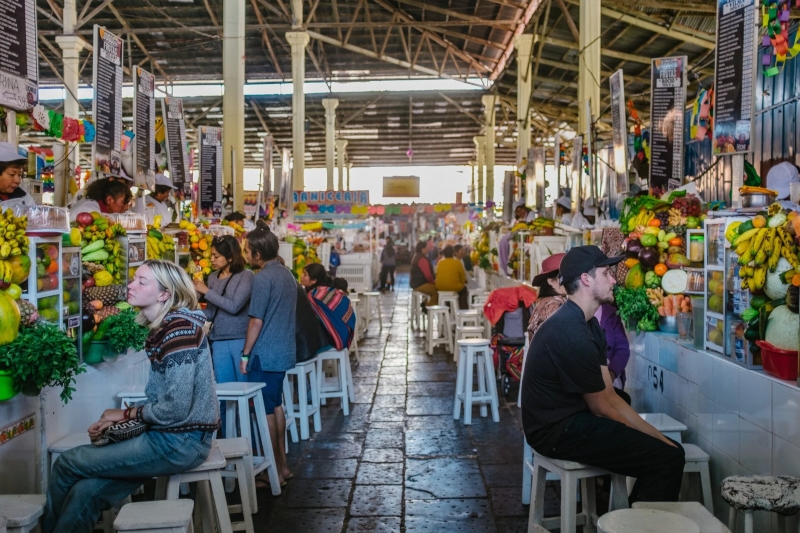
You may find it satisfying to sit down to a huge plate of Peruvian cuisine after an arduous flight but your stomach may not agree. Since oxygen is extremely limited, your body is extremely aggressive in redirecting the little it has to one of the more important organs such as your heart and brain, and your digestion is rendered slow. When thinking of what to eat to prevent mountain sickness, rather than eating fat-laden meats which require excessive energy to digest; choose carbohydrates that are easily absorbed and enjoyed as warm broths, rice or potatoes.
That crisp mountain breeze acts like an invisible sponge, pulling moisture from your lungs with every breath while your blood physically thickens. Your body forms additional red blood cells to more effectively capture oxygen. To get in control of hydration techniques in high elevation travel, you need to drink as much water as you would normally drink in order to get this newly thickened blood running smoothly through your veins.
Alcohol causes your body to lose important water, and even though a celebratory Pisco Sour would be inviting, it is an alcoholic beverage. It is important to avoid the booze at the onset as this is an innate way of avoiding mountain sickness, as dehydration is a flawless replica and enhancement of all the altitude headaches. When your hydration is in the zone, then you are prepared to take the diverse landscapes the area has to offer.
Beyond Cusco: Comparing Elevation from Machu Picchu to Rainbow Mountain
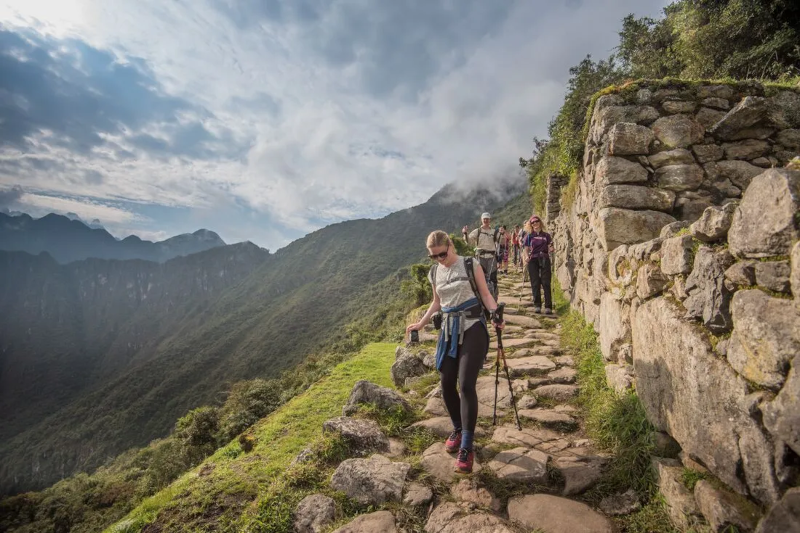
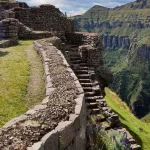
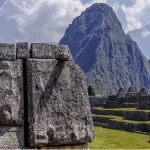
The main concern of many tourists is the height of Machu Picchu Cusco tossed towards them, of course, thinking that it is the tallest obstacle of the journey. Shockingly, Machu Picchu is lower in height as compared to cusco. On the other hand, the historical city lies on a gasping 3,400 meters, but the citadel is a relaxing 3,000 meters down in the oxygen-laden cloud forest. You will hardly have to strain looking around the ruins as much as you did dragging your bags into your hotel.
To put your upcoming itinerary into perspective and align your trekking expectations, here is how the region’s top spots stack up:
- Lima: Sea Level
- Machu Picchu: 2,430m (7,972 ft)
- Sacred Valley: 2,870m (9,416 ft)
- Cusco: 3,400m (11,152 ft)
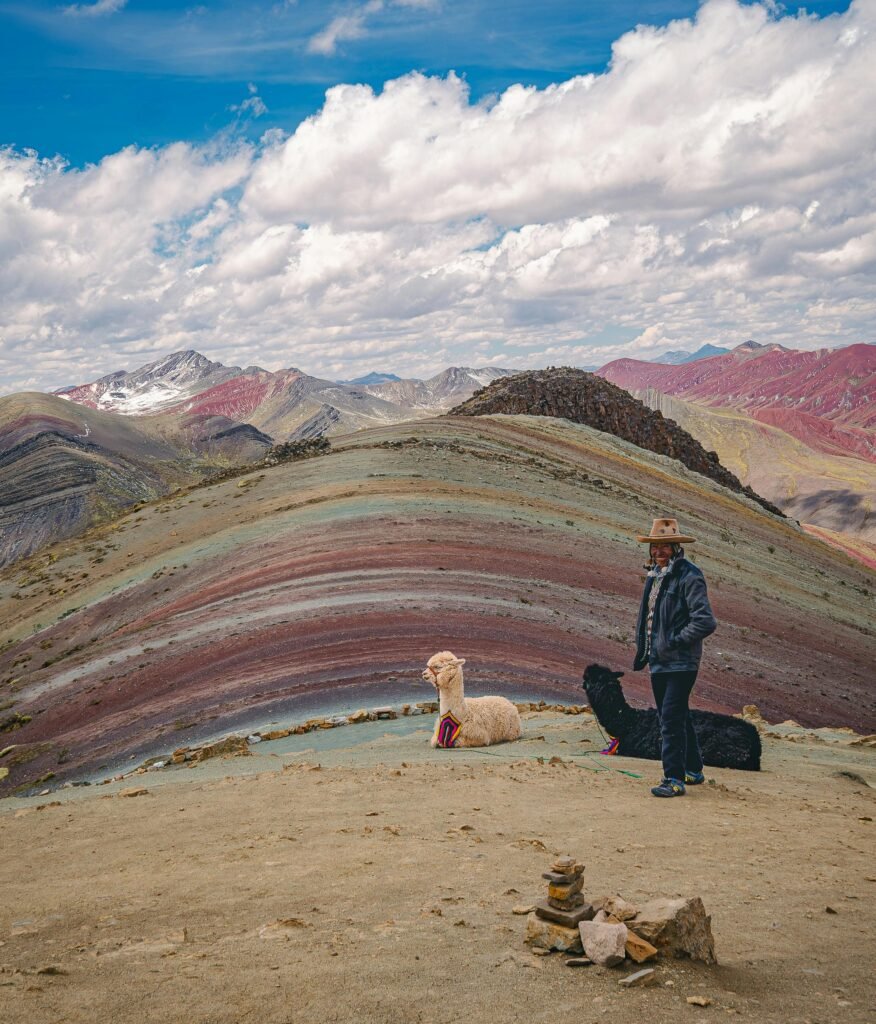
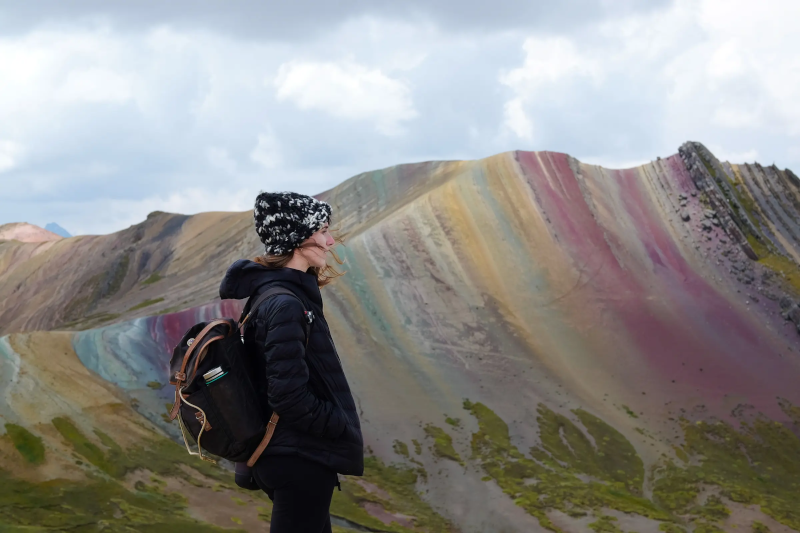
- Rainbow Mountain: 5,200m (17,060 ft)
Look closely at that final number. The rainbow mountain height compared to cusco is drastically higher, pushing you into extreme altitude territory above 5,000 meters. Attempting this demanding hike before your body fully adapts is a fast recipe for severe illness. To safely navigate these massive environmental shifts, you need a practical acclimatization plan.
Your 48-Hour Acclimatization Roadmap: From Touchdown to Trekking
Instead of worrying about the thin air, confidently apply these arrival tips to keep your body balanced. By prioritizing hydration, resting on day one, and eating light, you are actively preventing acute mountain sickness rather than just hoping for the best. Try taking a slow stroll around your hotel block first and notice how your breathing adapts to the environment.
Once you can comfortably climb a flight of stairs without feeling heavily winded, you have hit your baseline benchmark. This signals your body is ready for bigger adventures. With a solid foundation of rest and hydration, the highest points in the Peruvian highlands transform from intimidating hurdles into magnificent experiences. Listen to your body, take it slow, and explore the Andes with confidence.
Q&A
If oxygen is still 21%, why do I feel so winded in Cusco?
The pressure, and not the oxygen percentage. Pressure decreases at higher altitudes, 3,400 m (11,152 ft) and, thus, oxygen molecules are less squeezed together and more difficult to get captured by your lungs with each breath. With the heart rate increasing so that you can carry with you what little oxygen you get with it to circulate throughout your body, your body makes even the easiest tasks unbearable to the fit travelers. Slow walking and deep breathing are helpful, however, it is impossible to overcome physics on such heights with fitness.
What should I do in the first 48 hours after landing to acclimate well?
Consider the arrival window as a critical one. Take an immediate nap, drink more than you would typically (goal is about twice your normal amount of water), and consume low-energy, easy to digest carbohydrates (soups, rice, potatoes). Do not start taking alcohol immediately. Many travelers find it easier to sleep in the Sacred Valley Pivot (sleeping lower in Urubamba or Ollantaytambo) during the night, becoming relieved of some of the night-time stress of thin air- sleep’s height counts most. Begin with a slow walk; you are fit to increase activity when you can walk a flight of stairs without tremendous breathlessness.
How do I tell normal altitude adjustment from dangerous Acute Mountain Sickness?
Normal signs include a dull headache that eases with hydration, mild nausea, reduced appetite, and restless sleep. Red flags include headache that cannot be cured with painkillers, repeated vomiting, intense dizziness or confusions, shortness of breath during rest, or inability to coordinate. Never insist on the extreme symptoms–get down a few thousand feet as quickly as you can; gravity acts as swiftly and most effectively as possible.
Should I use coca tea, acetazolamide, or oxygen-enriched hotel rooms?
- Coca tea: A cultural, free remedy that offers mild, temporary relief (opens airways, calms nausea). Sip earlier in the day; avoid right before bed.
- Acetazolamide (Diamox): Prescription medicine that speeds acclimatization by nudging you to breathe deeper/faster; often causes harmless tingling in fingers.
- Oxygen-enriched rooms: Pleasant but pricey; usually a luxury rather than a necessity for casual travelers. Choose based on your health needs and travel style.
Is Machu Picchu higher than Cusco, and how should I plan for Rainbow Mountain?
Machu Picchu (2,430 m/7,972 ft) is lower than Cusco (3,400 m/11,152 ft), and the Sacred Valley (~2,870 m/9,416 ft) sits between them—many people breathe easier there. Rainbow Mountain is far higher at 5,200 m (17,060 ft), an extreme altitude. Build a gradual ascent: start lower (Sacred Valley/Machu Picchu), return to Cusco after a couple of days, and attempt Rainbow Mountain only once stairs feel manageable and you’re symptom-free.