

As you plunge into the airport, your heart is racing like you have just done a sprint. This belongs not only to the enthusiasm of being at the Incan Capital — but also to the physical effect of being at Cusco’s high altitude. The city, located at an impressive 11,152 feet (3,399 meters) above sea level, offers its new visitors a cold welcome with westerner air. It is the fact that the cities of Cusco and the Sacred Valley have different altitudes and this difference in elevation can affect the body’s adjustment; therefore, it is a must-know for the tourists. Not long after it, your luggage, a small wheeled suitcase, which you need to push through the terminal all of a sudden feels and extra weight as if you just had a workout in a gym.
According to highland medical experts, this immediate gasping is a perfectly normal bodily adjustment, not a sudden health crisis. A functional beginner’s Cusco travel tip is to moderate your pace while walking and also to drink water during this process of adjustment.
Nevertheless, this is a practical introduction to soroche — the local term for altitude sickness. Recognizing the early symptoms, like a slight dull headache or sudden nausea, would ensure you enjoy your vacation while your body replaces red blood cells.
It’s Not the Oxygen, It’s the Pressure: The ‘Blanket’ Science of High Elevation
It is normal for tourists to think that going to the Andes area means that the air contains less oxygen. However, the air that surrounds this ancient Inca site contains the same 21% of oxygen as the beach you usually go to. The real reason behind the erratic heartbeat is not the missing oxygen but the violent pressure drop.
Imagining the Earth’s atmosphere as a huge stack of unseen blankets is a good idea. Where the mouth of the river meets the lake, the mass of the thousands of blankets presses down hard, packing oxygen molecules tight enough that they can move into your bloodstream with no resistance. High in the mountains, you simply have fewer blankets above you. With less atmospheric weight pushing down, those molecules spread further apart. Your lungs must work harder to capture that scattered fuel, a foundational concept for understanding proper acclimatization.
Because of this pressure difference, one of the most recommended high altitude breathing techniques is to utilize deep, slow breaths instead of rapid hyperventilation. This simple science underpins effective cusco altitude acclimatization. Acclimating successfully for Machu Picchu requires finding a comfortable middle ground to rest during your first 48 hours, which brings us to why descending into the nearby Sacred Valley is an excellent physiological strategy.
Why the Sacred Valley is Your Best ‘Halfway House’
Once you grab your bags at the Cusco airport, the taxi that you’re on won’t take you to a hotel in the city but will go out of town directly instead. The geographic approach is really effective. First-year tourists frequently query whether the Sacred Valley is lower than Cusco. The answer is yes- it’s by a key measurement of 2,000 feet. While the ancient capital sits at a breathless 11,152 feet, the valley floor offers an atmospheric reprieve that adds back some of those much-needed invisible “blankets” of pressure. That sacred valley elevation advantage matters.
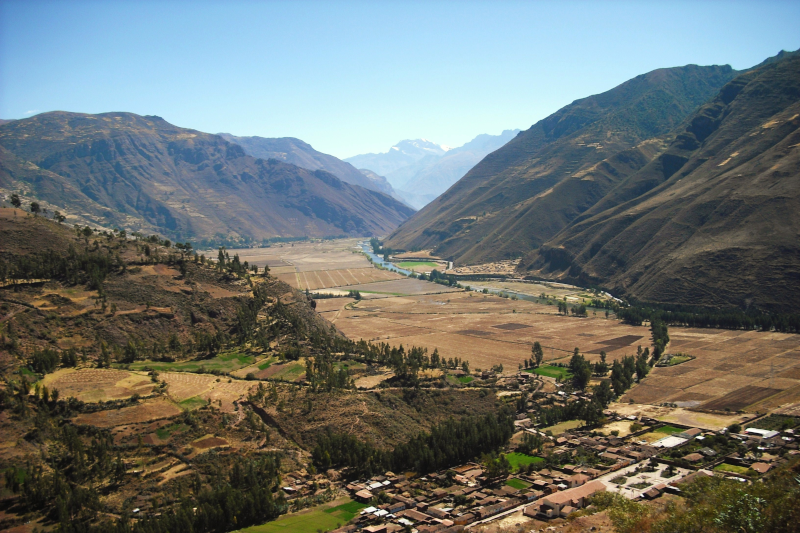
The idea of landing at a lower altitude is like the first step to avoiding altitude sickness. By spending a couple of nights at a lower point, your body would not find it that hard to absorb the scattered oxygen molecules. If you gently picture this seamless transition of heights, you could utilize your travel-stop rankings such as:
- Cusco: 11,152 feet (The high-altitude attic)
- Pisac: 9,750 feet (The upper staircase)
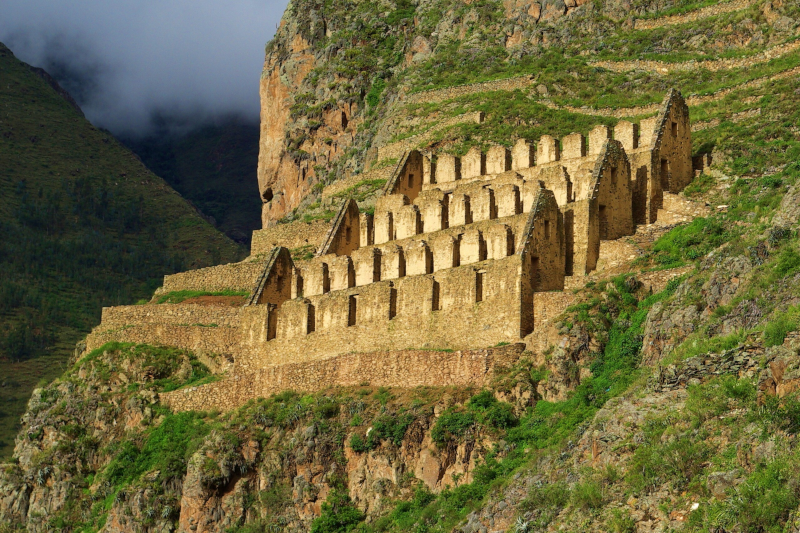
- Ollantaytambo: 9.160 ft (The comfortable second floor)
- Machu Picchu: 7,970 feet (The surprisingly low ground floor)
Even while prioritizing rest in this safe zone, you won’t waste a single moment of your trip. You can comfortably join sacred valley tours of stunning sacred valley attractions—like ancient agricultural terraces and vibrant artisan markets—without the crushing fatigue found in the higher city. Resting in these lower towns grants your system a vital window of breathing room, setting the stage perfectly for the cellular adaptation about to begin.
The 48-Hour Biological Upgrade: How Acclimatization Actually Works
Waking up on your first Andean morning, your heart might race just from walking across the room. This is your body’s emergency response to thinner air. With less pressure pushing oxygen into your lungs, your heart beats faster to circulate the limited supply. It is exactly like a factory manager speeding up conveyor belts to offset missing raw materials. This high-speed temporary fix is exhausting, which makes taking it easy on day one an absolute necessity.
Behind the scenes, a permanent physiological upgrade is already underway. Expect a strict 48-hour timeline for the initial adjustment in Cusco—essentially your Cusco altitude acclimatization. During this window, your system rapidly manufactures extra red blood cells—acting as new “delivery trucks” to efficiently capture scarce oxygen. Because this intense cellular production naturally thickens your blood, aggressive water intake is mandatory. Drink three to four liters daily to keep this newly crowded cardiovascular highway flowing safely.
Even with perfect planning, this complex biological transition sometimes struggles. If adaptation lags, you might spot early signs of acute mountain sickness, like a throbbing headache or persistent nausea. Paying attention to these physical cues ensures a minor hurdle doesn’t ruin your itinerary.
From Coca Tea to Pharmacy Fixes: Practical Remedies
Imagine arriving in Cusco famished, choosing between a heavy steak or a simple soup. Pick the soup. Digesting dense meals forces your body to divert its already scarce oxygen down to your stomach, stealing it from your brain. Eating light, easily digestible meals during your first day prevents this internal oxygen theft and keeps your energy stable. Among practical cusco travel tips, favor soups, fruits, and hydration over heavy dinners.
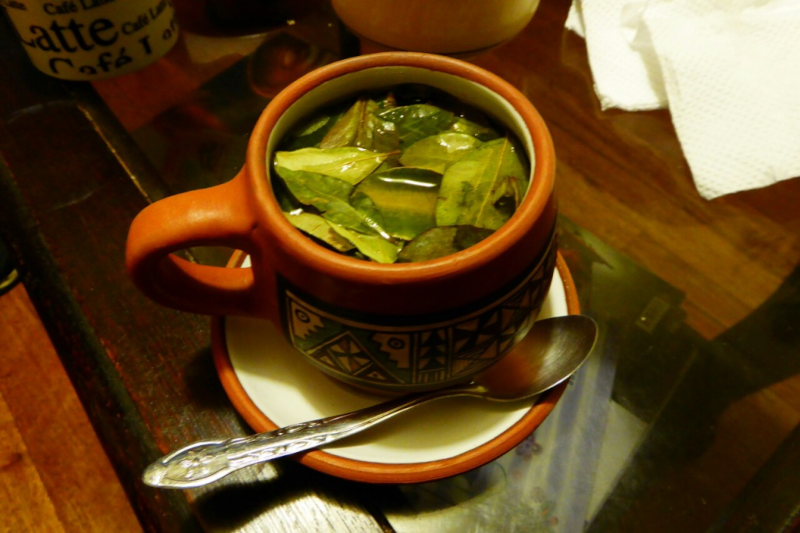
To assist your adapting body further, locals rely on a centuries-old leaf. Sipping Mate de Coca is among the most effective natural remedies for altitude headaches because it triggers a biological response called vasodilation. This simply widens your blood vessels, helping your newly thickened blood flow much easier. To maximize the benefits, you must drink it early in the day; its mild stimulant effect will disrupt your rest if consumed late in the afternoon.
When traditional fixes fall short, modern medicine seamlessly bridges the gap. Consult your doctor beforehand about acetazolamide, a prescription medication that safely accelerates your breathing rate. Additionally, utilizing oxygen enrichment in luxury hotels provides immediate, temporary relief from sudden fatigue. To blend these traditional and modern tools safely, follow these essential guidelines:
- Do: Drink one to two cups of morning coca tea to support circulation.
- Don’t: Consume coca tea after 3 PM to protect your sleep schedule.
- Do: Use hotel oxygen therapies for 15-minute bursts if a headache spikes.
- Don’t: Combine prescription altitude medications with heavy alcohol consumption.
Recognizing Soroche: When to Seek Help
A dull headache or feeling winded after climbing hotel stairs is entirely normal on day one. However, there is a clear line between predictable fatigue and severe altitude sickness. If pain persists despite hydration, or intense nausea and confusion strike, your body is sounding an alarm. This escalation indicates Acute Mountain Sickness (AMS), meaning your internal adjustments cannot handle the low pressure.
Catching these signs early keeps you safe. The golden rule of the Andes is absolute: if you feel worse while resting, you must go down. Lowering your elevation instantly increases the air weight pushing oxygen into your blood. Descent is the primary, guaranteed therapy.
Fortunately, modern tourist infrastructure fully supports your safety. While a quick burst from a hotel oxygen tank easily resolves mild altitude sickness, a racing resting heart rate always requires a local clinic visit.
Your 3-Day Acclimatization Itinerary
You no longer have to cross your fingers and hope the thin air spares your vacation. By implementing a “Descending Arrival” strategy, you actively help your body’s internal systems adapt smoothly. This plan doubles as straightforward Cusco travel tips and a practical framework for sacred valley tours that won’t overtax your system:
- Day 1: Arrive in Cusco and drive immediately down to the lower elevation of Urubamba.
- Day 2: Enjoy low-impact tours, like exploring the Pisac ruins and nearby sacred valley attractions, while your body adjusts.
- Day 3: Transition to Aguas Calientes or try some Sacred Valley hiking before heading higher.
With this biological foundation built, your altitude preparation is complete. You can confidently tackle your trek on day four or later with significantly less shortness of breath. By respecting the elevation and moving strategically, you are well-prepared to safely and comfortably explore the beauty of the Andes.