

Classic Inca Trail permits sell out six months ahead and that window simply does not work for a lot of people. The inca jungle trek was built around that gap. Four days, Machu Picchu at the end, and a route that rarely needs more than a few weeks of planning.
This is not a fallback choice. Biking down from high altitude, rafting Class III rapids, zip-lining over canyon drops, and hiking the final stretch into the citadel make this route worth choosing on its own terms. The inca jungle trek offers something four days of straight hiking never will.
Summary
The inca jungle trek is a lower-cost, flexible alternative to the Classic Inca Trail that works in downhill biking, rafting, zip-lining, and a final hike to Machu Picchu. Getting there 48 hours early and leaning on coca tea alongside water handles most altitude issues. The route goes from Abra Malaga cycling to Urubamba rapids, then Santa Teresa zip-lines and Cocalmayo hot springs before the Aguas Calientes finish. Quick-dry layers and strong DEET go into a 20 to 25 liter daypack. Circuit 2 covers the classic viewpoints, operator inclusions need confirming before payment, and dry season dates give the best conditions across all four activities.
Inca Jungle Trek vs. Classic Inca Trail: Why Choose the ‘Wild Child’ Route?
The classic route is expensive, hiking-only, and requires permit planning half a year out. The inca jungle trek runs on a different logic entirely, keeping each day distinct from the one before it through different terrain and different activity types. The choice between them is really a question of what someone wants the experience to actually feel like.
Cost is a practical difference worth stating plainly. Local hostels and guesthouses replace porter-supported camping and the price drops accordingly. Travelers who base themselves in Ollantaytambo before the trek starts often find acclimatization easier since that town sits lower than Cusco and still connects directly to the route departure point.
Direct comparison:
- Classic Inca Trail: $600 to $800, hiking only, camping, permits needed six months out.
- Inca Jungle Trek: $300 to $450, mixed activities, beds and hot showers nightly, books a few weeks out.
For anyone working with a real budget or a tight timeline, the inca jungle trek makes more practical sense than the alternative.
Don’t Let the Andes Take Your Breath Away: Physical Fitness and Altitude Hacks
Two days in Cusco or the valley before the trek starts is not wasted time. The body needs that window to stabilize at elevation before any serious physical demand gets layered on top. Short walks and sitting in cafés at altitude both count.
Soroche shows up at rest as well as during movement, which is what separates it from normal end-of-travel tiredness. A headache that persists through water and horizontal time is the clearest early indicator. Flagging it to a guide early is more useful than trying to outlast it quietly.
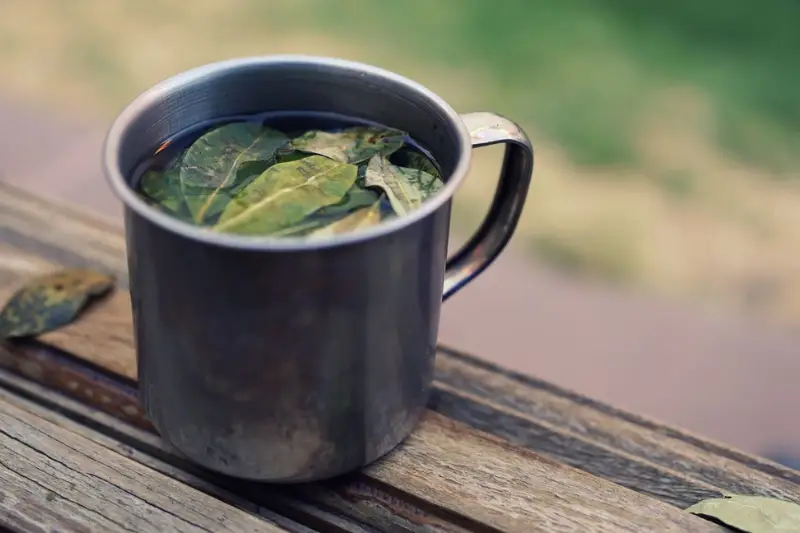
Coca tea is available at virtually every hotel in the region and genuinely takes the edge off the early symptoms. The support van that follows the group on day one of the inca jungle trek is there partly because altitude and physical output combine in unpredictable ways during those first hours on the trail.
Cardio endurance carries more weight here than strength. A deliberate step-and-breathe rhythm on steep sections distributes energy across the full four days rather than front-loading the effort. Travelers who spend a morning walking through the Sacred Valley before the trek tends to notice the difference on day one.
From High-Altitude Biking to Urubamba Rapids: Mastering Days 1 and 2
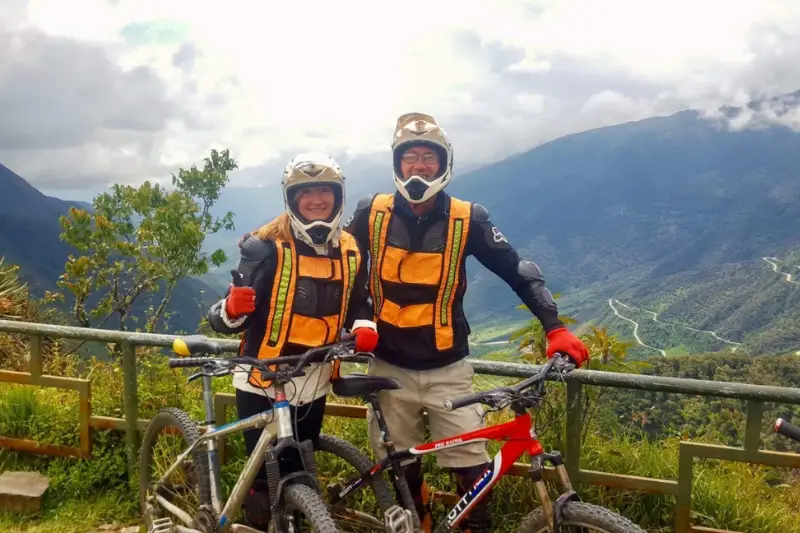
Day one starts at Abra Malaga pass and the first few hours involve almost no pedaling. Three hours of descent on paved road with the landscape shifting from cold alpine to warm humid jungle within the same morning. Starting in a windbreaker and arriving in a t-shirt is a reliable part of that first day.
A support van follows the entire biking section. Stepping inside at any point is completely without pressure and having that option available changes how most people approach the descent mentally, even those who never end up using it.
Paddles replace bikes in the afternoon on the Urubamba River. Class II and III, bouncy rather than dangerous, with a safety kayaker in the water and proper vests included by any operator worth booking. The group hikes through coffee plantations and fruit orchards afterward where warmer lower-elevation air helps muscles stay loose heading into the next day.
Zip-lines, Hot Springs, and the Lost City: The Final Approach
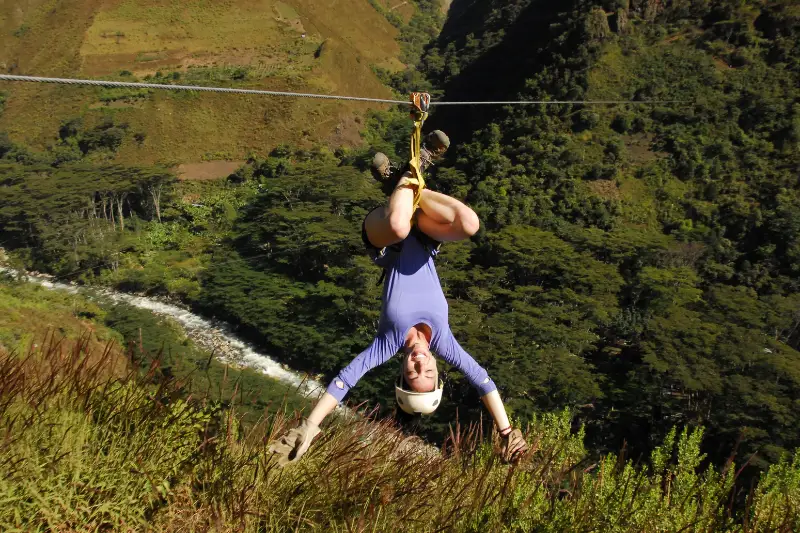
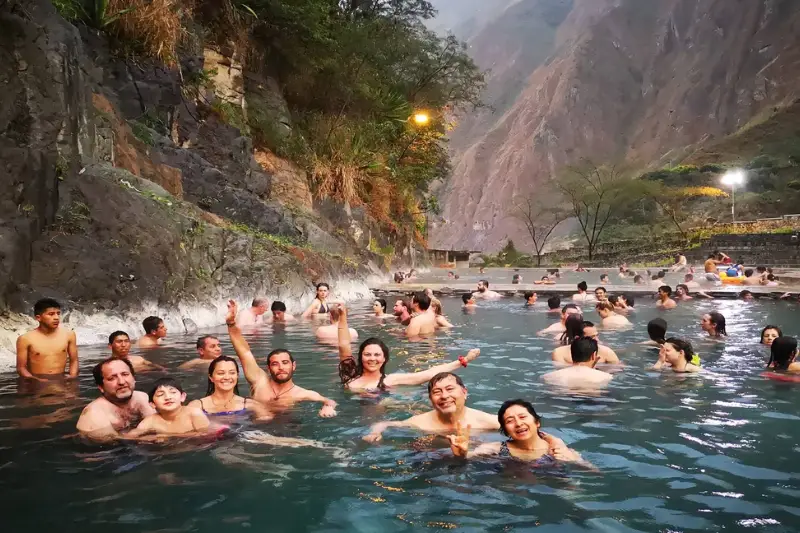
Day three of the inca jungle trek opens with zip-lines over deep canyon drops in Santa Teresa before the pace deliberately drops. The Cocalmayo hot springs that follow are clear thermal pools rather than sulfur baths, and after two full days of varied activity they do exactly what legs need at that point in the route.
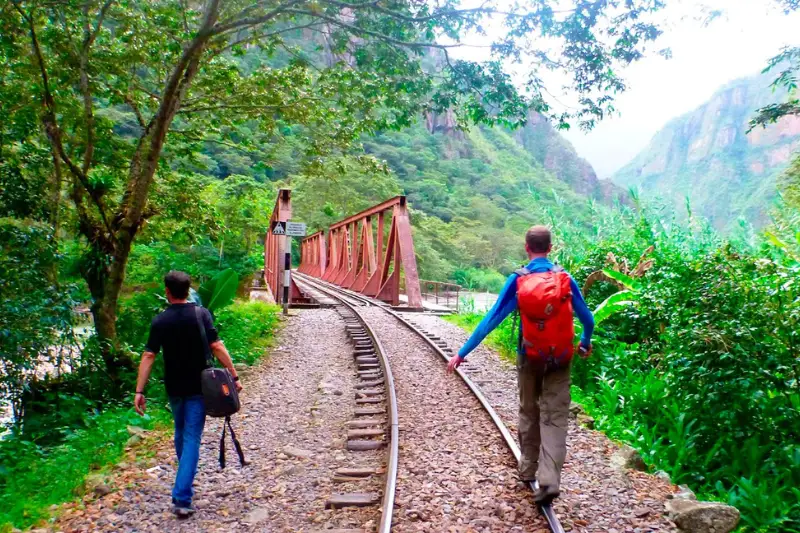
The walk from Hidroelectrica to Aguas Calientes (Machu Picchu Pueblo) covers ten flat kilometers along active train tracks through dense jungle, around three hours of easy terrain. That town handles all remaining logistics before the site visit: bus tickets, entry confirmation, food, and sleep. Sandflies along the track section are aggressive and unaffected by herbal repellents. DEET applied to clothing before starting is the only defense that holds.
The final morning requires an early alarm and a straightforward decision. Hiking 1,500 steps or riding the 25-minute bus. Four days into the inca jungle trek that question deserves an honest answer rather than a reflexive one.
Three things to handle the night before:
- Wake time: 3:45 AM for the steps, 4:30 AM for the first bus.
- Bus tickets: Purchased the evening before to skip queues that form before dawn.
- Documents: Passport and printed entry ticket accessible at the gate, not buried.
Pack Like a Pro and Book with Confidence: Essential Gear and Ticket Strategies
Freezing alpine wind and humid jungle heat on the same day is not unusual on this route. Cotton traps sweat and turns cold when the temperature drops, which on this route happens fast and without much warning. Synthetic quick-dry fabric is the only sensible choice across all four days.
Large bags are not permitted inside Machu Picchu. A 20 to 25 liter daypack fits within that rule and holds everything the four days actually require. Visiting Inti Huatana, the carved stone sundial inside the citadel, means moving through the site on foot with just a small bag so packing light from the start pays off at the finish line.
Two categories for the packing list:
- Non-negotiable: High-strength DEET repellent, broken-in hiking shoes, waterproof poncho.
- Worth adding: GoPro with helmet mount for the descent, trekking poles with rubber tips, swimsuit for Cocalmayo.
Circuit 2 covers the viewpoints that appear in most photographs of the site. Budget operators frequently exclude return train and entry fees from the headline price. Checking those inclusions before any payment is made avoids a real and avoidable cost at the end.
Your 4-Day Roadmap to Adventure: How to Execute Your Inca Jungle Journey
May through September is the dry season and the most reliable window for this route. Wet season makes the biking descent slippery and adds difficulty to the jungle sections. Planning around those months removes the weather variable without requiring much else.
Machu Picchu entry tickets come first on the booking list, before operators, before trains, before anything. Those time slots fill up independently of which route is being taken and finding everything else sorted but the entry unavailable is a frustrating position to be in. Travelers considering the short Inca Trail as a separate add-on after this route need to handle those permits on a completely independent timeline.
The inca jungle trek pays back the effort that goes into planning it. A genuine acclimatization window and logistics handled before departure make each of the four days on the ground significantly more enjoyable.
Q&A
Why choose the Inca Jungle Trek over the Classic Inca Trail? Biking, rafting, zip-lining, and a final hike in place of four days of straight hiking and camping. Price is $300 to $450 versus $600 to $800. Beds replace tents and a few weeks of lead time replaces six months. Same finish line, more varied route, lower cost.
How should I prepare for altitude and fitness demands? Two easy days before the trek starts, nothing strenuous. Soroche hits at rest too so coca tea and water from day one matter more than most people plan for. Cardio base is what carries the four days. Step-and-breathe on the steep sections keeps energy from running out early.
What does the 4-day itinerary look like and is it beginner-friendly? Day one is the Abra Malaga descent and Urubamba rafting. Day two is coffee plantation hiking. Day three covers Santa Teresa zip-lines, Cocalmayo hot springs, and the flat walk to Aguas Calientes. Day four is the early approach to Machu Picchu. No technical skills needed across any of it.
What should I pack for such varied conditions? Synthetic quick-dry layers only, no cotton anywhere. 20 to 25 liter daypack within entry rules. DEET, broken-in shoes, and a waterproof poncho are non-negotiable. GoPro with helmet mount, rubber-tipped trekking poles, and a swimsuit are worth the space.
How do tickets and logistics work for a smooth Machu Picchu entry? Circuit 2 for the standard viewpoints. Return train and entry fees confirmed as inclusions before paying. Bus tickets the night before if skipping the steps. Passport and printed ticket accessible without digging at the gate. Alarm at 3:45 AM for the climb or 4:30 AM for the first bus.