

The famous Inca Trail is no secret, but what in case the most renowned way to visit Machu Picchu was not an exhausting hike at all? But what would be even more fun is the fact that you could bike, raft and zip-line your way to one of the greatest wonders of the world?
Introduce yourself to the Inca Jungle Trail, the wilder and more exotic brother of Machu Picchu. Imagine it is more a marathon and more of a four-day adventure triathlon in the Andes. It is a blend of exciting down mountain biking, optional white water rafting, and hiking in coffee plantation, and finally having a jungle valley zip-lining adventure.
It is also a means of solving a frequent headache: the time-honored path is sold several months or even years beforehand. The Inca Jungle trail is the most recommended adventure trek to Machu Picchu. It is a great alternative to Inca trail and does not need any permit to be taken.
It is an unbelievable contrast of a journey, swinging you up and down through the frozen, dry, bone-shattering air of a mountain pass 14,000 feet high. Then down into the warm, steamy, dripping embrace of the so-called cloud forest. It is an adventure that will capture all of your senses and then give you the final reward.
Day 1: The Reason Downhill Biking Triumphs over Altitude Sickness.
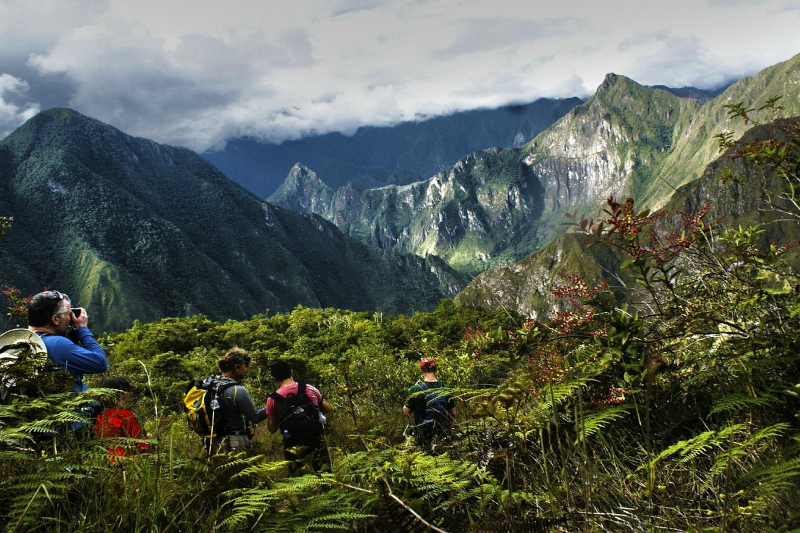
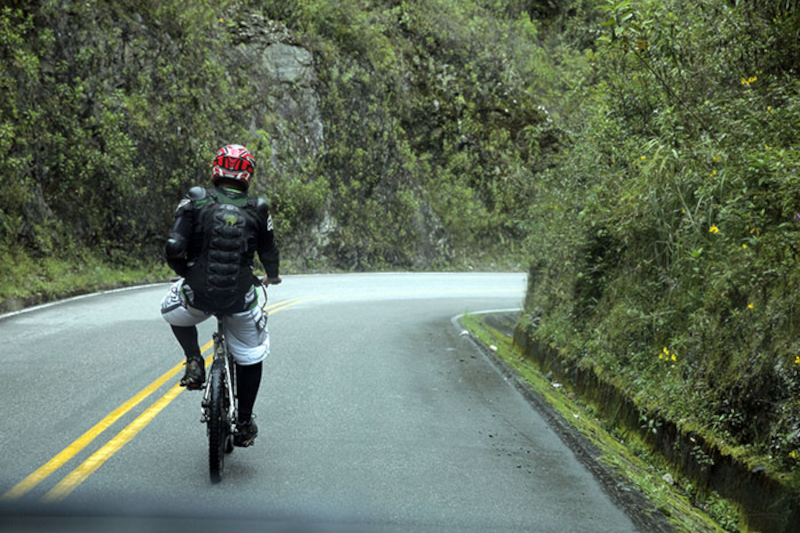
The issue of altitude sickness is generally a concern when visiting the Andes. Still the Inca Jungle trail has a trick in its bag. It starts with a trip up at the frigid Abra Malaga pass which is a breathtaking scene where the air is significantly lighter. Rather than a very laborious hike, you will jump on a mountain bike to have an exhilarating and almost all downhill ride. The cleverness of this is that it enables your body to start its acclimatizing process.
Several hours more will be spent on a smooth, winding trail, dashing off the stark metallic mountains to the green valleys down the roadside. It is not a technical race, it is a scenic race, which is made to allow you to absorb the jaw-dropping scenery. You will get a sense of the cool mountain air in your face as waterfalls plummet along the road.
Just when you get off your ride, the cold windswept atmosphere is replaced with the new one; cloud forest. It is not the low and damp Amazon forest one imagines; it is a type of forest, unlike any you have ever seen, and so green that it is commonly covered with mist. No more snowy mountains in your way, you will meet the tropical birds and wild orchids, you will feel like you have entered another world, and are marching on the following day.
Day 2: Hiking on Old Trails (and Rafting Old Waterfalls)
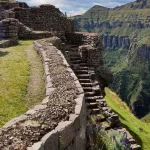
Day 2 begins with the reciprocal movement of Day 1 as she wakes up to the noise of the tropical cloud forest and starts to move on her feet. The core activity is an excellent hiking on an authentic, stone-paved Inca trail. These were the old roads of the Chasquis, or the marvellously active messengers of the Inca Empire. Who could run days through the whole length and breadth of their empire.
The road along the way goes through small family-owned plantations. You will have bright red coffee beans on the bush and smell of the sweetness of the passionfruit and mango trees. It is possible to note that your guide will tell you about how the coca leaf was significant in the Andean culture. It was used many centuries ago to fight fatigue and altitude sickness, which is an interesting insight.
The afternoon will present an option, and it will be the ideal Machu Picchu trek with rafting. You can either:
- Choose adrenaline: Go out to white-water rafting on the Urubamba River.
- Relaxation: Have an afternoon out in the small local town of Santa Maria and have your feet up.
The rafting is meant to be nothing short of fun to those who decide to take the river. The rapids are a welcoming Class II and III, so the participants of the action will have enough splashing fun and collaboration teamwork that is entirely risk-free to first-time. It is a great means to relax and have a view of the valley in a totally new way and then to wrap up your day on the Santa Maria road.
Day 3: Zip-Lining and Natural Hot Springs.
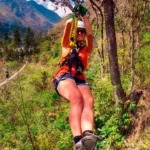
It is high-flying time, as Day 3 will be dedicated to flying over the jungle. It is a complete circuit of several zip lines where one is hurled flying across the valley. You will slide across the tops of the trees and the raving river beneath safely harnessed in. It is the extreme Machu Picchu adventure with ziplining which gives the adrenaline rush of a bird flying view and the exhilarating jump.
The afternoon is the ideal reward to a day of adrenaline rush in the morning, complete relaxation. Only a short ride will bring you to the popular Cocalmayo hot springs around Santa Teresa. These are lovely, crystal-clear thermal pools that are excavated on the mountain side, beside a roaring river. It is heaven to take a bath in the warm water, rich in minerals and be surrounded by the beautiful jungle landscape.
You are refreshed and so your last part of the adventure starts: the walk between Santa Teresa and Aguas Calientes. The final route is another scenic walk through the train tracks which run through the river valley with dramatic green mountains above it and is mostly a flat stretch. With the onset of the night, you will be in Aguas Calientes, the bustling town at the base of Machu Picchu. The thrill here cannot be described otherwise, you have arrived at the door-step of the lost city.
Day 4: The Payoff: What It’s Like to Visit Machu Picchu.
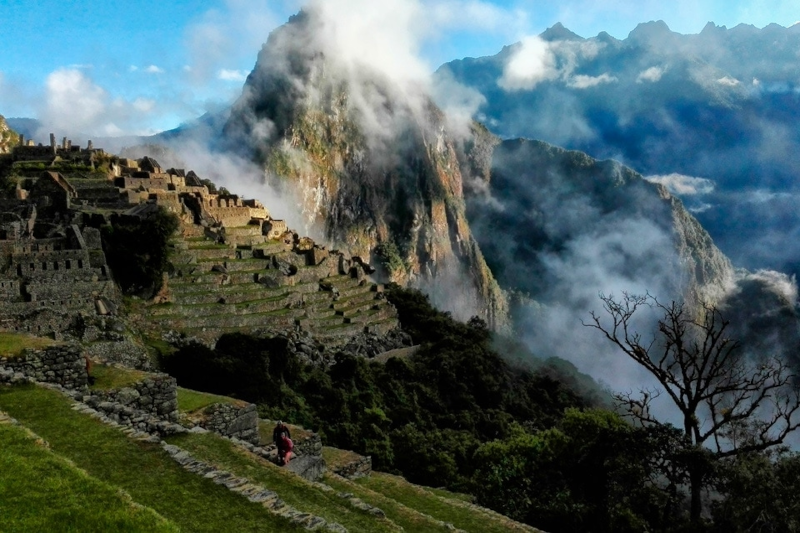
Your last day will start earlier in the morning when you have an option: to climb the steps of the building that lead to the entrance: either a steep, but rewarding one-hour walk on stone steps or a ride in a bus that will take 25 minutes. Hiking is the most popular activity in most of the tour groups. Even though the bus is also a good choice to conserve energy to be involved in touring the citadel. Anyhow, it is a dreamy journey to come as soon as the first light reaches the mountains and finish your epic journey of Machu Picchu trekking adventure.
There is nothing to prepare you to the moment when you pass through the gates. The compensation is earth shattering and instantaneous. Your local will take you to the Guardhouse the ideal spot of that cliché, postcard-perfect photo.
Is the Inca Jungle Trail Safe? Your Top 3 Concerns Addressed
The jungle trail could represent a vision of cutting through nature, however, the truth is much more acceptable. This is a well-travelled and popular trekking route in Santa Maria, Peru. With a guided group, it is a safe choice to a solitary traveler and those who have never traveled before because you will be on a collective adventure through a route that thousands of people safely use year in year out.
When it comes to the adventure activities, all the equipment is supplied, and controlled by your tour company. The most important thing is to pick a Peru adventure tour company with good reputation. It is the role of such a company to provide permissible safety equipment such as helmets. In fact life vests and suitable harnesses in all activities.
The most significant safety feature is probably your guide. These are certified personnel who are trained as first aid and who are experts in the terrain. They do control the group speed, make clever decisions on the ground depending on circumstances. They serve as your safety net on the ground at the beginning and end.
Inca Jungle vs Salkantay vs Classic Inca Trail: Which Trek should you do?
Although the world-renowned Classic Inca Trail needs a government permit and it sells out 6-12 months in advance. There are other exhilarating alternatives available when you had not organised your trip a year earlier.
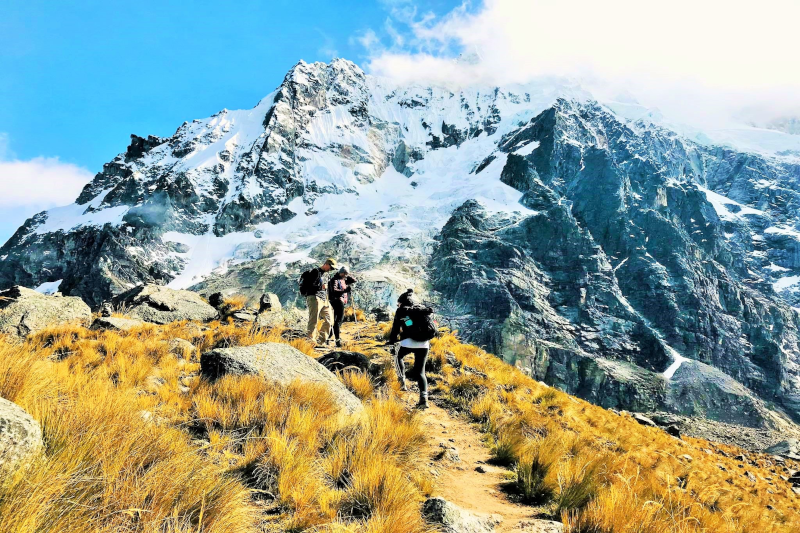
To the serious hiker, the most popular inca trail alternative which does not require a permit is the Salkantay Trek. It is a difficult trail featuring the trekking of a 15,000-foot mountain pass of spectacular glaciers. It is the pure hiking experience that is liked by people that have a serious physical challenge.
The Inca Jungle Trail, on the other hand, is a multi sporting trail. It does not just involve hiking in high altitude but down through the mountain. It is also cheapest since there are often many options to trek to Machu Picchu using this variety. Salkantay trek vs santa maria route, two options of pure hiking adventure and adrenaline-based adventure are available.
And which is the way your name is written on? Here’s a quick guide:
- Classic Inca Trail: This trail is the one that the history lover takes, and makes his plans way in advance.
- Short Inca Trail: It is recommended to travelers who are not going to have much time. Also who would like to have classic Inca trails and visit Machu Picchu directly.
- Salkantay Trek: This one is an intense hike that requires that the mountain is dramatic and the challenge is high.
- Inca Jungle Trail: This is a great option to the adventurer with a tight budget who wants a mix of everything.
- The Inca Jungle Trail Packing List: Adventure Ready.
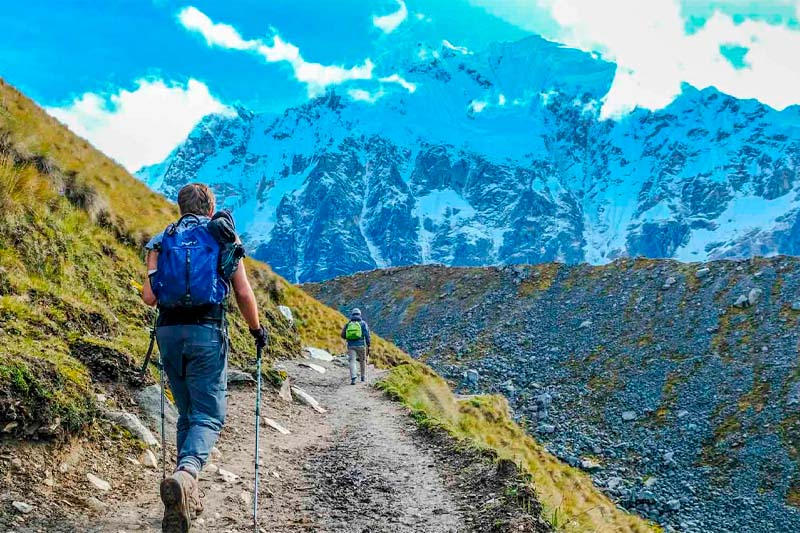
What to Pack?
The what to pack is determined by the Inca Jungle Trail as an experience that will expose the traveler to the cold mountain air and the hot jungle environment. It is not about having more clothes but smarter.
clothes with a layering system: a thin base layer to move moisture, the mid-layer is a layer of fleece to keep warm.
A small daypack (approximately 25-35 liters) is all that you require since your tour company will carry your heavy luggage. This is a list of what to carry to this jungle hike in Peru:
- Layered Clothing: 3 moisture-wicking shirts, one fleece or warm mid-layer, and a waterproof/windproof jacket.
- Hiking Preparations: Hiking shoes, in good shape but broken-in, hiking socks, and hiking trousers/shorts.
- Sun and Bug Protection: A hat, a pair of sun glasses, a high-SPF sun screen and a good insect repellent, with DEET, in the jungle areas.
- Water & Wellness: Water bottle that is reusable (at least 1.5 liters), small personal first-aid kit including blister treatment, and personal medications.
Leaving is also as significant as what you leave behind. Do not be burdened with laptops or additional shoes. Keep light in the pack, keep agile, and concentrate on the amazing adventure that lies ahead.
Your Adventure Awaits
The road to Machu Picchu does not necessarily need to be nothing more than a strenuous walk. It may be a backdoor journey filled with color. Riding your bike down mountain sides, rafting down the valleys and flying high above the canopy of the jungle. The Incas Jungle trail makes the trip a memorable experience just like the destination itself.
Planning your trip is simple. Ideally, the dry season is between April and October. The most significant thing to do is to select a good Peru adventure. Search for a tour operator that has excellent reviews in terms of safety and fun. After you had a reservation on your trek, you are only left to pack your zeal.
Disregard the thought that you have to be a high-end athlete. The trail is constructed to attract every person with a fun spirit and passion of having not only a walk. You are now open the way to one of the wonders of the world, not a mere visitor, but an adventurer.