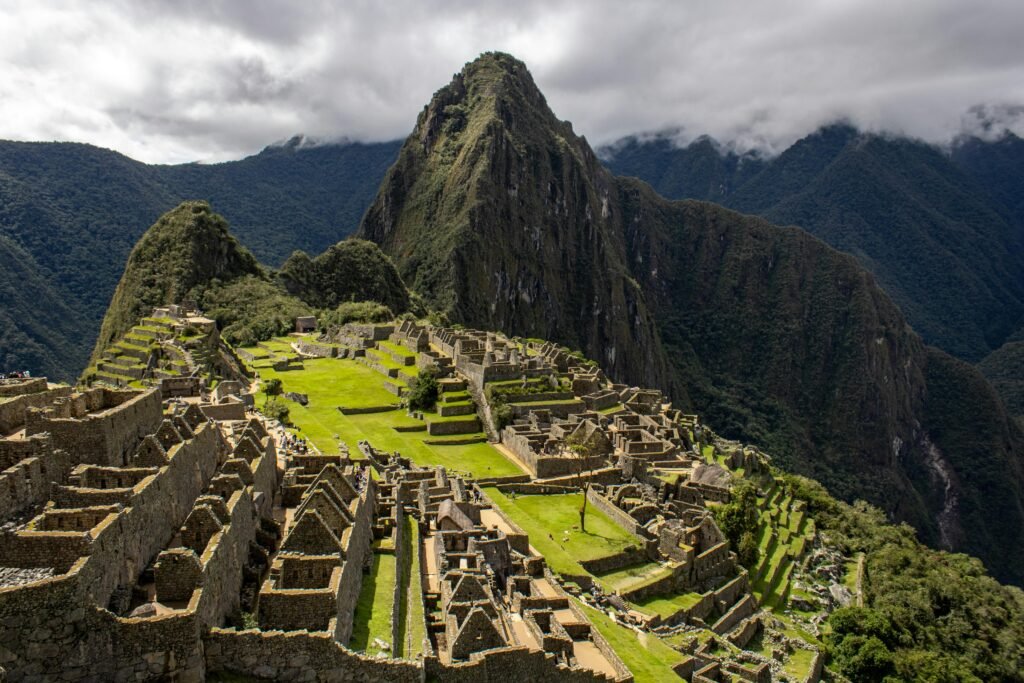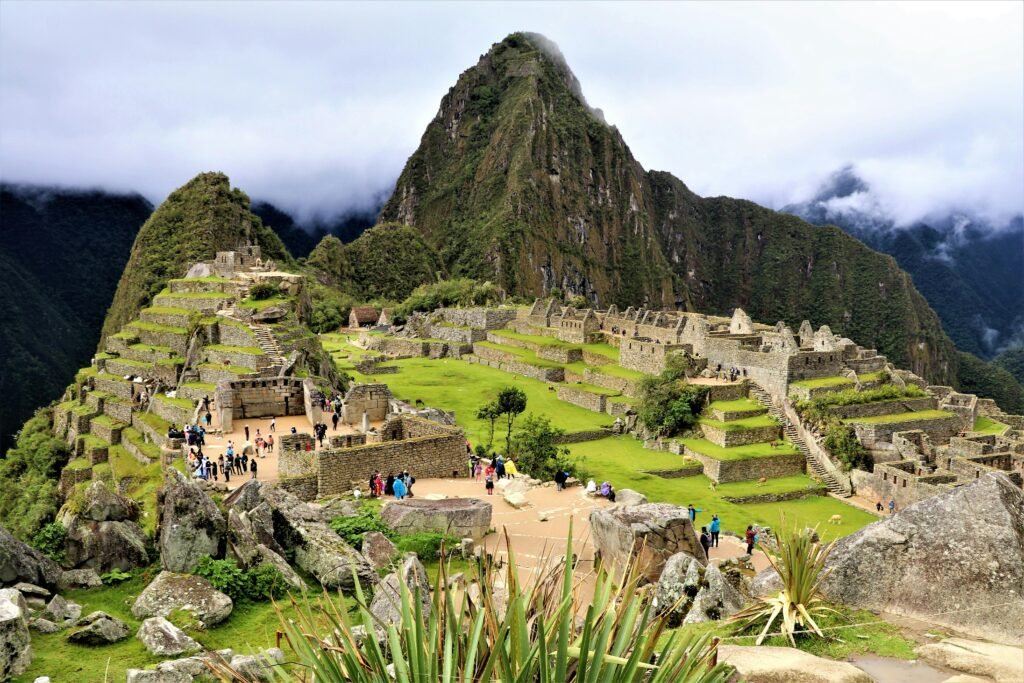


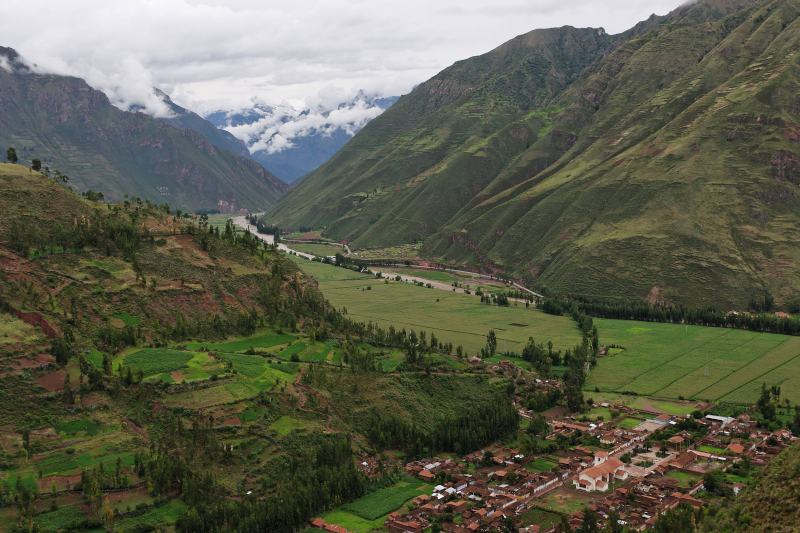
If you think Machu Picchu begins and ends with the train, you’re missing the most interesting part of the tale. Before you can reach the best known Inca site, you have to first go through its glorious front porch, the Sacred Valley, which is a sightseeing tour peru version that no time in the world can do justice. A sacred valley tour peru is much more than a side-trip, it’s the essential telling of the story that turns an old Inca world into something to be remembered, adding ‘lived-in’ context to old, stone walls.
Think of it as their palace and their farm. The Inca homeland’s rich land was watered by the winding Urubamba River, cultivating the crops that fed a rising civilization. The Incas also believed its tall snow-capped mountains housed the great spirits, the Apus.
The sacred sites near cusco peru simultaneously reveals this earnest mix of practicality and spiritualism. It provides the crucial background story that you can build up to at the legendary Machu Picchu, transforming what might be little more than awe-inspiring ruins into a spellbinding saga.
Pisac Guide: Where a Vibrant Market Meets Stunning Inca Terraces
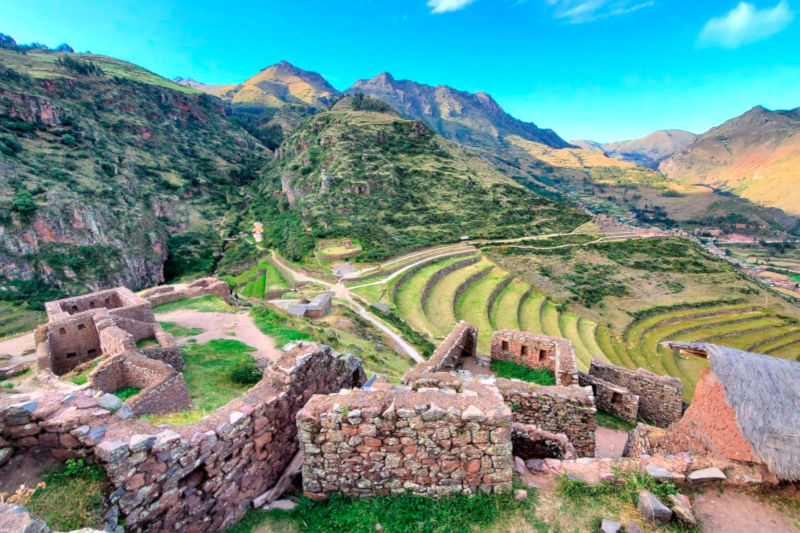
Often the first major stop on a Sacred Valley tour, Pisac immediately reveals the region’s dual charm. Down in the modern village, a world-famous market pulses with color and commerce, drawing visitors and locals alike. High above it, perched on a formidable mountain spur, ancient Inca ruins stand silent guard, offering some of the most stunning views you’ll see all day. This combination of living culture and ancient history makes Pisac the perfect introduction to the valley.
The market itself is a feast for the senses and a fantastic place to find a unique souvenir. As you browse the stalls, you’ll be surrounded by the buzz of conversation and the vibrant hues of local crafts. For an authentic keepsake, keep an eye out for these treasures:
- Alpaca Textiles: Look for incredibly soft scarves, sweaters, and blankets.
- Hand-painted Ceramic Beads: Often sold by the string, they make for beautiful, lightweight gifts.
- Silver Jewelry: Many pieces feature classic Inca symbols like the chakana (Inca cross).
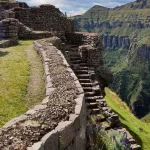
After the market, your journey continues up to the Pisac archaeological site. Here, you’ll witness one of the Inca’s most brilliant innovations: agricultural terraces. These massive, gracefully curved steps carved into the mountainside weren’t just for decoration. Think of them as sophisticated, mountain-sized garden beds that created microclimates for different crops and prevented soil erosion. It’s a breathtaking example of how the Incas worked with nature, not against it.
Pisac provides the perfect snapshot of the Sacred Valley—a place where the incredible engineering of the past meets the vibrant culture of today.ed Valley—a place where the incredible engineering of the past meets the vibrant culture of today.
Ollantaytambo: How to Explore a Living Inca Town and Its Mighty Fortress
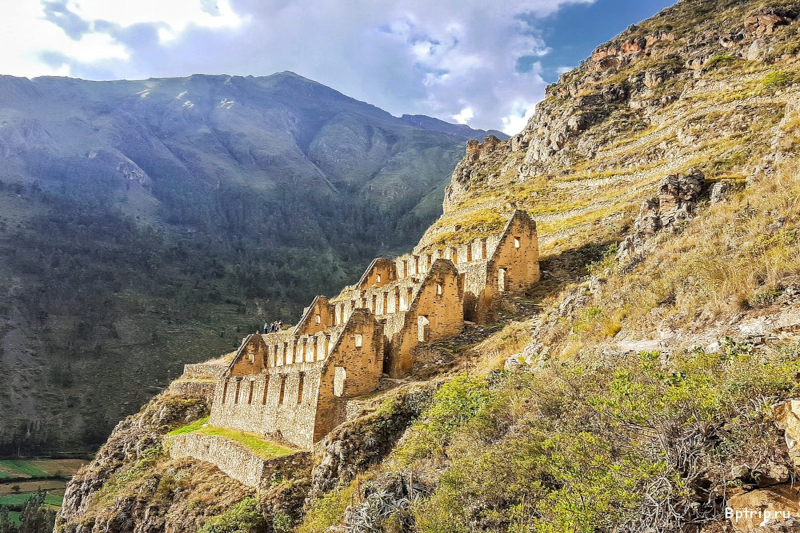
Onward along the Sacred Valley, your next stop is at Ollantaytambo. Sharp and steep steps ascend the mountain behind the red tiled roofs. As you walk up them you realize you are on an enormous three-mile long long terrace.
This is not just any ruin but a “living Inca town”. Its streets, houses and many of its fields are still laid out according to the original Inca plan, and most of the old water channels are still gurgling along the cobblestone streets. Its proximity to Cusco and the fact that the Inca town now still forms an Inca town means it makes an ideal overnight stay long after the hordes of tourists have gone.
The fortress of Ollantaytambo itself is a symbol of the sacred meeting of forces of religion and war, of prayer and battle. Its steep and forbidding terraces climbed the mountain in order to make the perfect saving place to defend himself against the Spanish conquistadors. Here, under the battle cry of Manco Inca Yupanqui, the fierce Inca resistance scored a major victory against the treacherous Spanish conquistadors.
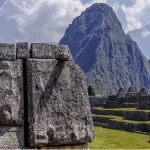
As your climb steps upwards from the storehouses to the once-or-unfinished Temple of the Sun, made of six monstrous pink, granite monoliths hauled here from far across the river.
Chinchero: Uncovering a World of Weaving and High-Altitude History
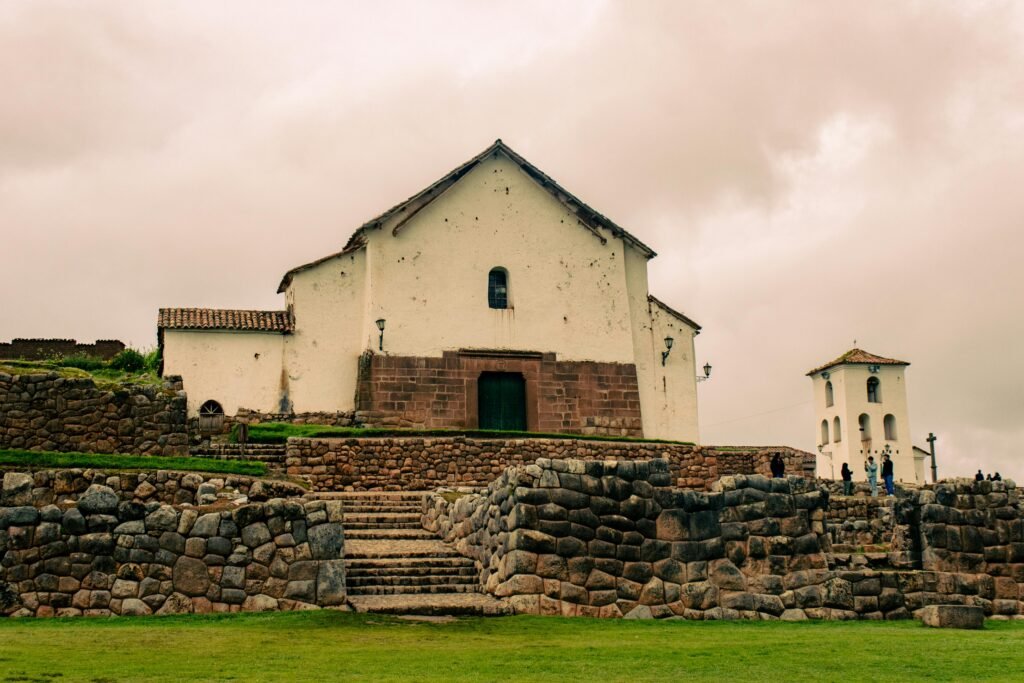
Having taken in the military might of Ollantaytambo, our day out continues up to the windswept plains of Chinchero. The Incas believed Chinchero to be the home of the rainbow, and this high-altitude, bare town certainly lives up to its reputation as the cultural hub of the Sacred Valley. With stone fortresses having taken a back-seat to the Quechua inhabitants, this is a glimpse of Inca life that has stood the test of time in the streets of the modern Chinchero, Peru.
For many, the most memorable time spent in Chinchero, Peru will be encountering a live weave demonstration-the perfect answer to what to see in Chinchero, Peru. Local Indian women will take you through every step of how they make beautiful weaves out of the alpaca wool, from the subsistence, all-natural dyeing materials to producing a colour so rich, amazing when you see how it’s done, from the dried-and-crushed Arachnid across your open palm.
The Hidden Gems: Are Moray and the Maras Salt Mines on Your Tour?
Outside the main tour attractions are two of the most breathtaking Inca sites in the area of Cusco although you may not explore them on a typical day trip. The first one is the mysterious site of Moray which resembles a huge green amphitheater hewn out of the ground. These were not entertainment circles but a complicated Inca agricultural laboratory in the form of spectacular concentric circles. The Incas were able to experiment with various microclimates on each terrace, and thus the crops that would flourish at different elevation such as potatoes and corn; an ingenious idea to grow food in the mountains.
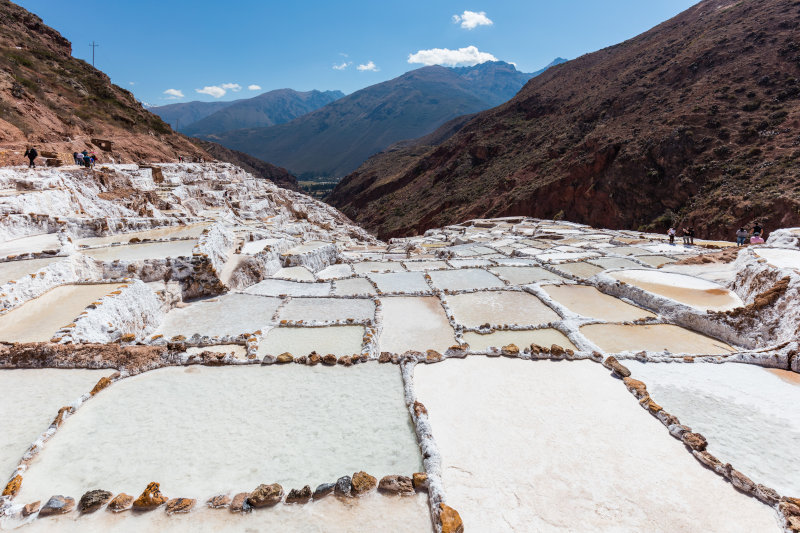
Only a few minutes drive away the landscape turns into a sparkling mosaic of white and tan. This is the Maras Salt Mines, an impressive structure of thousands of small, terraced pools falling down a hillside. These ponds are fed by a natural saltwater spring and harvested to produce salt since the time of the arrival of Incas. The tradition has been preserved today with local families operating their individual pools and picking the salt laden with minerals by hand making a truly unique and living historical relic.
More importantly, due to their geographical positioning off the main road between Pisac and Ollantaytambo. Moray and Maras are not commonly part of an overnight tour. Provided that such amazing places are on your list of must-see locations. You will probably want to reserve another half-day tour out of Cusco, or even have a private Cusco-area tour that will find time to explore them, or find a Sacred Valley 2 days long itinerary, which will devote time to these wonderful locations.
What the Hell is on a Sacred Valley Day Trip: Decoding Your Tour.
As you begin searching the Internet on the best sacred valley day trip out of Cusco, the answer will be two major ones: group and private tours. Group tours are inexpensive and very effective to socialize with other travelers. The drawback of the latter is the cost which, though higher, is compensated by flexibility and a more intimate experience, as you can spend more time at the places where you are the most interested. The decision you take actually lies with your traveling style and budget.
What then constitutes a sacred valley tour price? Typically, whatever you pay at the start of your trip will cover your transportation by comfortable bus or van, and the services of professional. The bilingual guide who will make the history of the Inca sites come alive. This is the bare essential and you will be able to access the sites and have a clue of what you are looking at.
Almost all the typical tours mean that you will have to pay the following expenses independently:
The Boleto Turistico (Tourist Ticket): This is a sort of compulsory multi-arket ticket to the archeological sites of the Sacred valley. You will buy this on your own with the assistance of your guide usually on the tour day.
This is because knowledge about these costs in advance is the key to a stress free day.
Lunch: The majority of day tours visit a buffet-style restaurant in Urubamba which is an added expense unless you are taking a particular full day sacred valley tour that includes lunch.
The advice to your guide and driver.
The 8 Things to Pack and Altitude Secret Tips to Beat in Your Sacred Valley Escape.
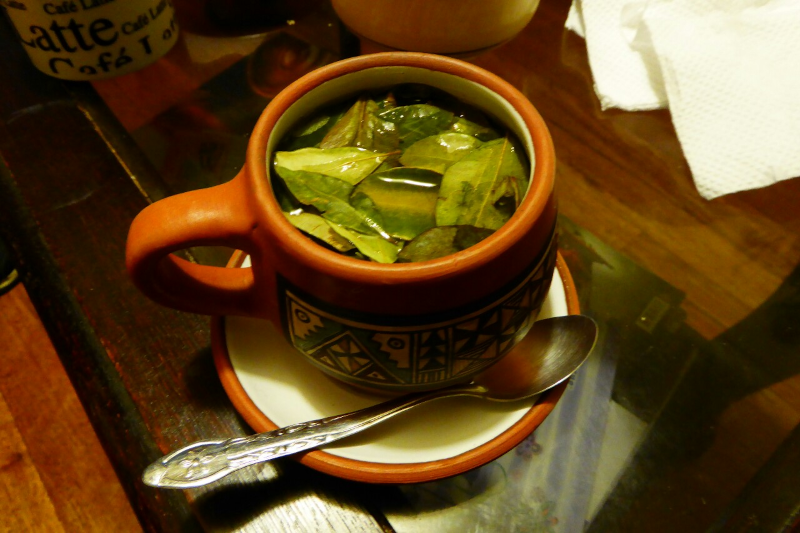
The altitude is one of the biggest concerns of the traveler about the Andes. The golden rule in the case of avoiding altitude sickness in the sacred valley is acclimatization. Allowing your body a day or two in Cusco to get used to the air being thinner before your tour. If you can make it through the adjustment period, drink plenty of water, eat smaller meals. It use what the locals have been using all along, the coca leaves as a tea, called mate de coca. The first few days should be spent by taking easy so that you can feel great when on tour.
The dry season in Peru that falls between April and October is the most appropriate period of the year to visit there sacred valley. The payoff will be sunny days that will be ideal to do photography. Nonetheless, Andean weather may switch within a second, and it is important to pack smart regardless of the time of the year. The trick is to wear clothes which can be added or removed easily when a cool breeze is replaced by warm sunshine in the mountains.
You can pack cleverly on what to pack to the sacred valley to ensure your day trip in the valley is a comfortable and stress-free one. These are the basic necessities that your daypack must have.
- Layers: A light waterproof jacket and a fleece are also obligatory.
- Sun Protection: High altitudes have an incredibly powerful sun that requires a wide-brimmed hat, sun glasses and high-SPF sunscreen.
- Reusable Water Bottle: Keep fit!
- Cash (Peruvian Soles): To buy your lunch, market souvenirs and tips.
- Your Passport and Boleto Turistico: These you will require to access the archeological sites.
Beyond the Day Trip: Sacred Valley vs. Machu Picchu and Planning an Overnight Stay
The Sacred Valley is more than a corridor to a citadel; it is the sprawling, fertile pulse of an empire that once thrived. It’s deeper, slower, and layered with history.Sprawling heartland heritage. Secluded royal mystery. Ancient cobblestone rhythm. Verdant valley immersion. Acclimatized mountain readiness. Modern comfort sanctuary.
From here, you begin to see that the journey isn’t just about the destination. It is a deliberate unfolding of time—where the valley provides the roots, and the citadel becomes the crown.
Your Unforgettable Journey into the Heart of the Inca World
Previously, the name Pisac and Ollantaytambo were nothing but dots on the map on the road to Machu Picchu. You can see them now what they are: chapters in an epic story. You are not a tourist anymore who came to see stones, you are a knowledgeable traveler. Who is able to read the landscape and comprehend the genius of the Inca world.
The trip to the Sacred Valley Peru is not just a list of sites any more, but a whole story. It starts with the agricultural genius of terraces of Pisac. The grim power of living fortress of Ollantaytambo and ends by being connected to the colorful world of Quechua weavers in Chinchero. You now understand how traveling to Inca archeological sites narrates a related, human history.
It is with this that your arrival at Machu Picchu will have been greatly enhanced. Not so much an object in itself as the gorgeous climax of a civilization with which you are now familiar. Whether a sacred valley trip is a worthwhile one has been answered. The remaining one is: are you prepared to enter into the story yourself?